Early Morning Safari
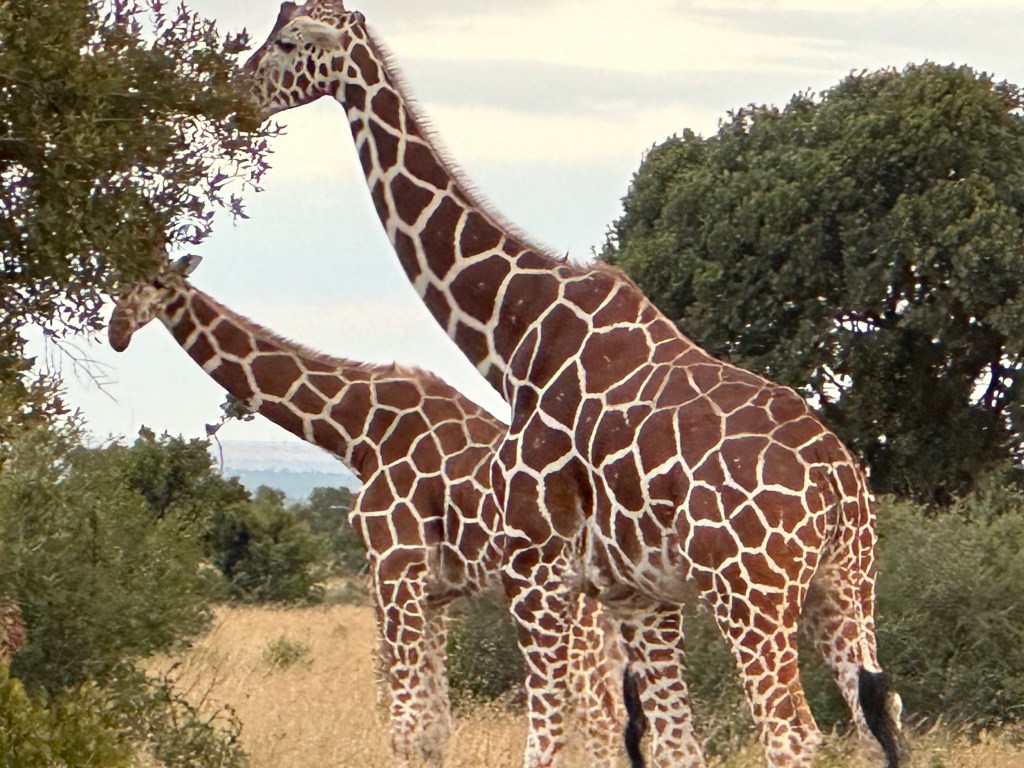
We started today with a 6 am game drive and had the pleasure of watching the sunrise over the plains. Our drivers are so knowledgeable and professional. They can spot anything and know just where to go and how to position the truck for the best views. This resulted a beautiful view of the rising sun behind a group of giraffes, the beauty of which my pictures did not capture.
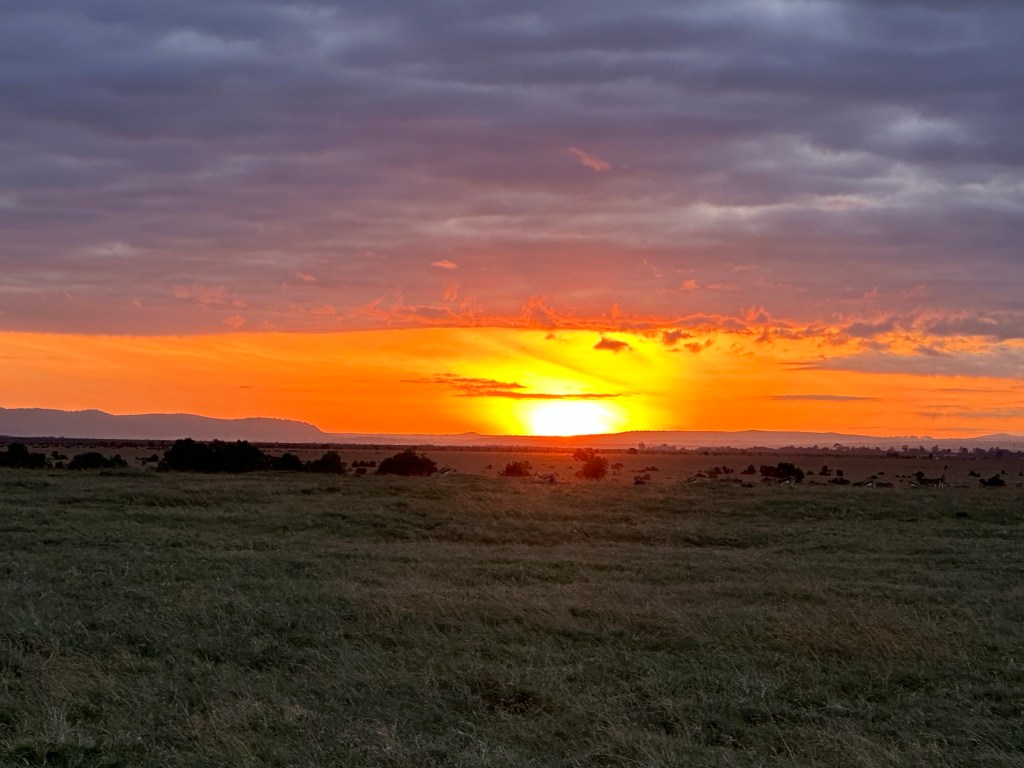
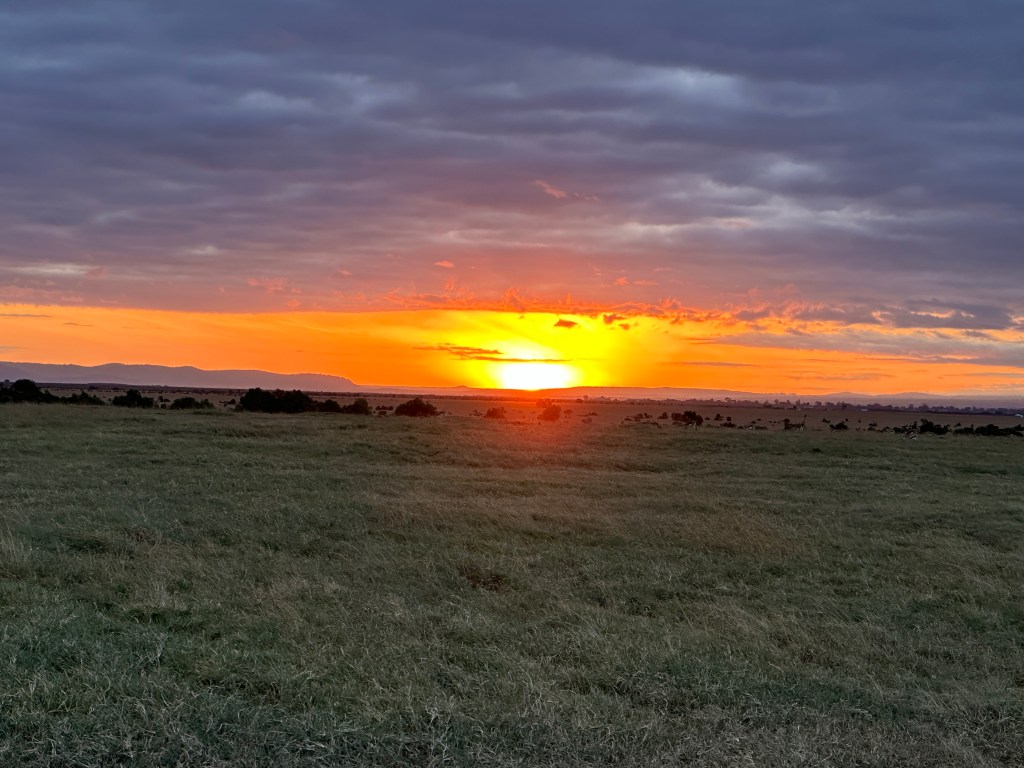
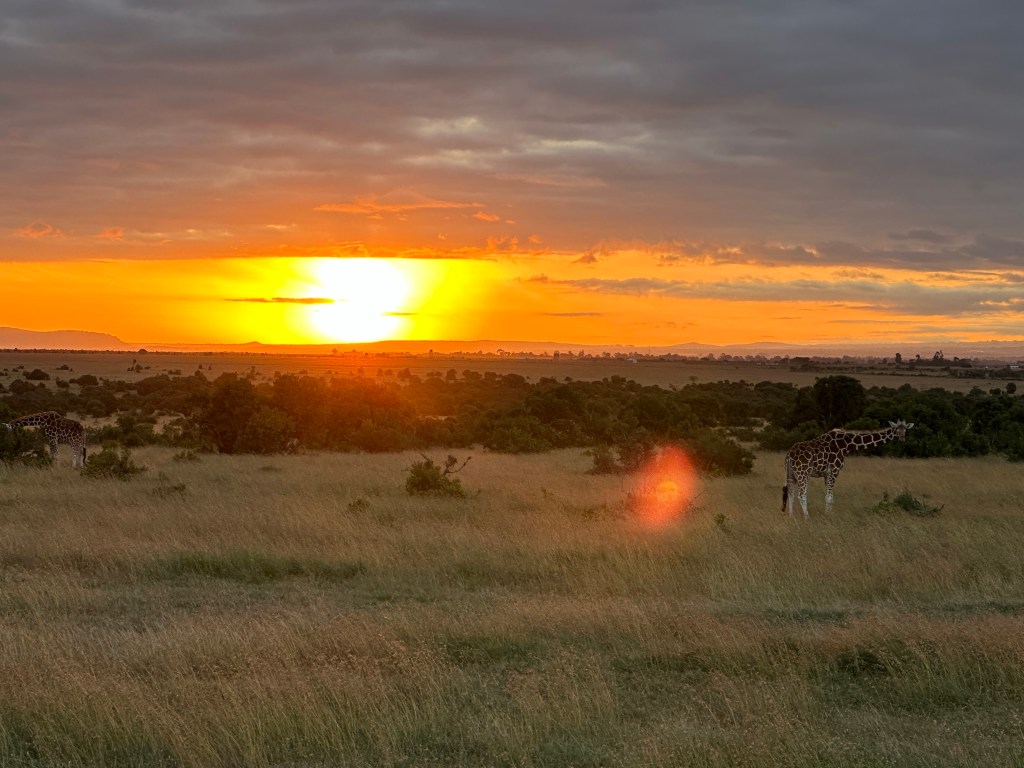


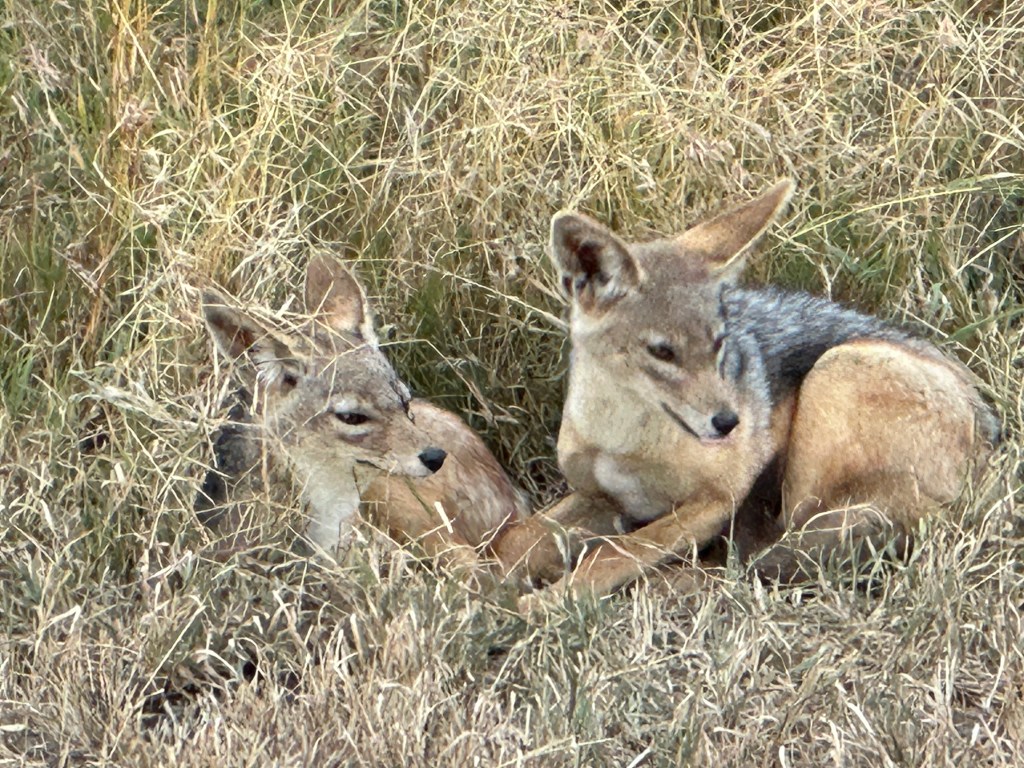
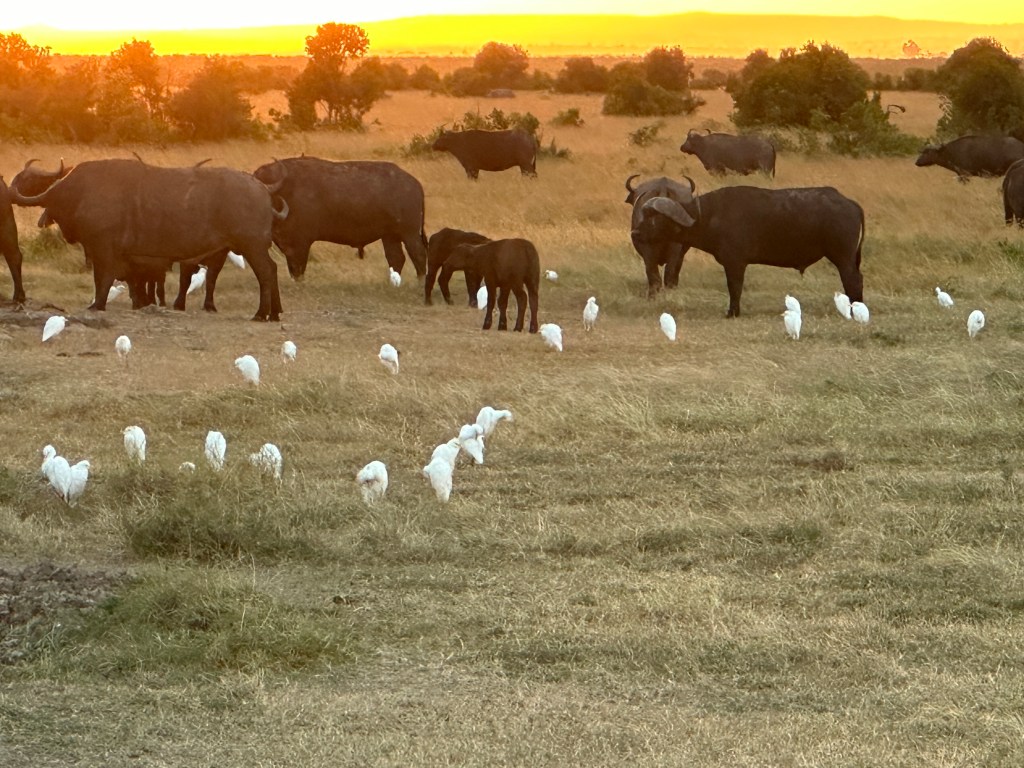
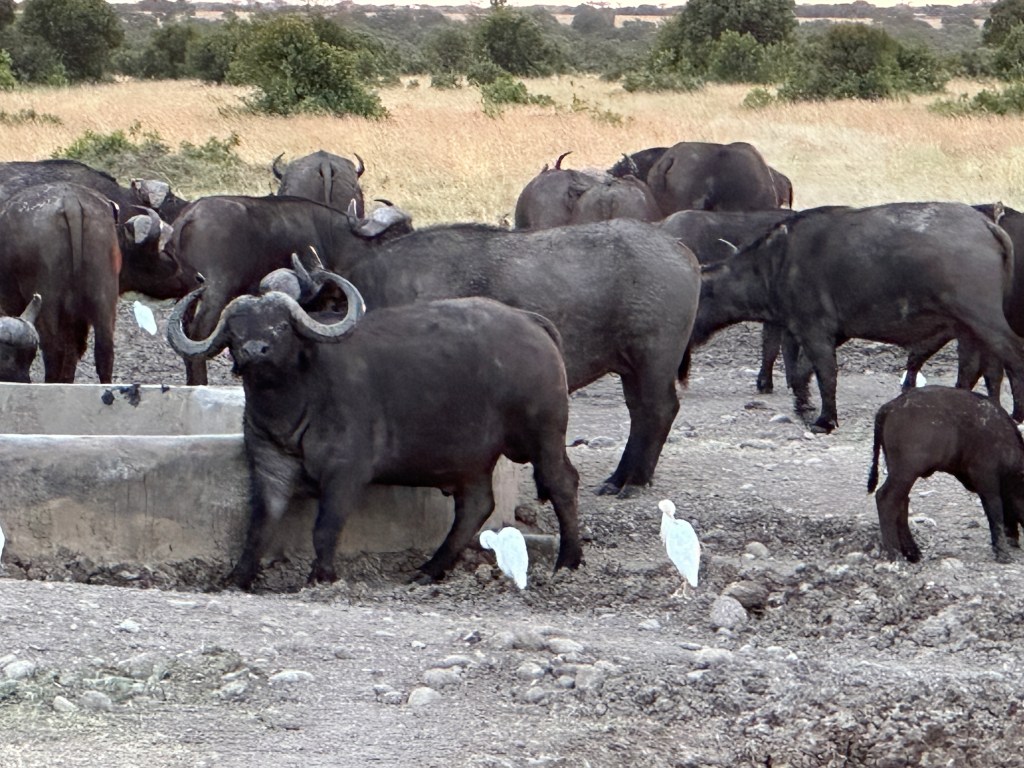
On the remainder of our trek, we saw many more giraffes on the move. Our leader, Paul, mentioned that when they were there last week they didn’t see a single giraffe, so we were very fortunate. We also saw large groups of buffalo, zebra, a group of black rhinos, and a family of jackals. I saw many pumba and a few hyena, but they were too far away for capturing good photos.
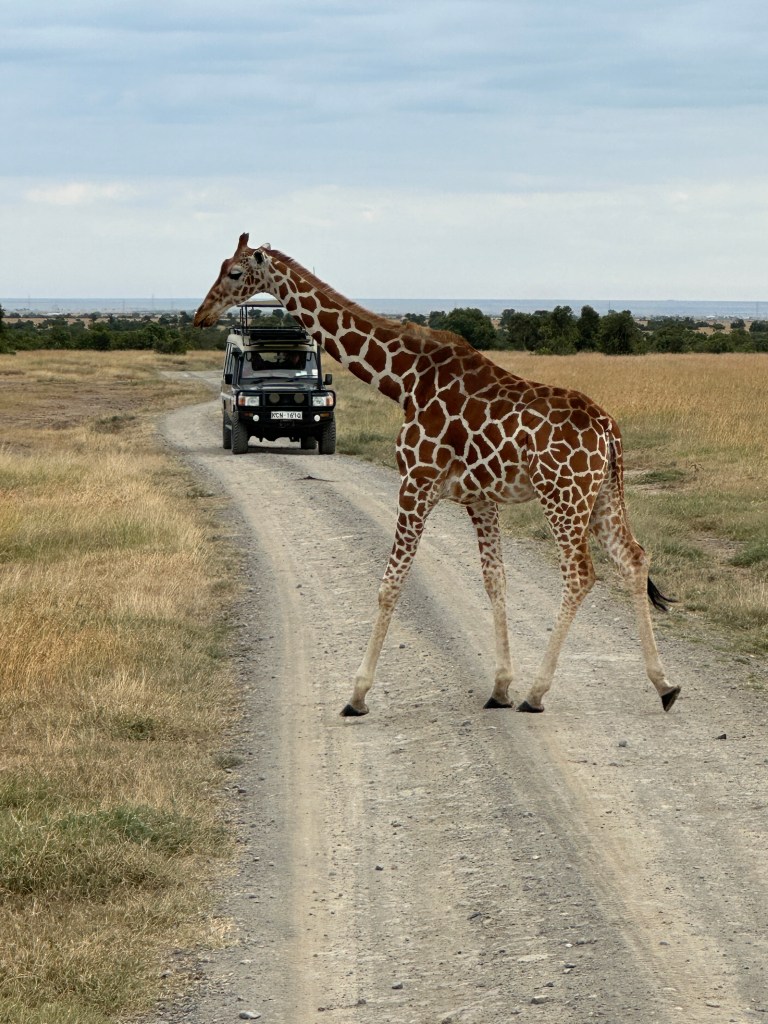
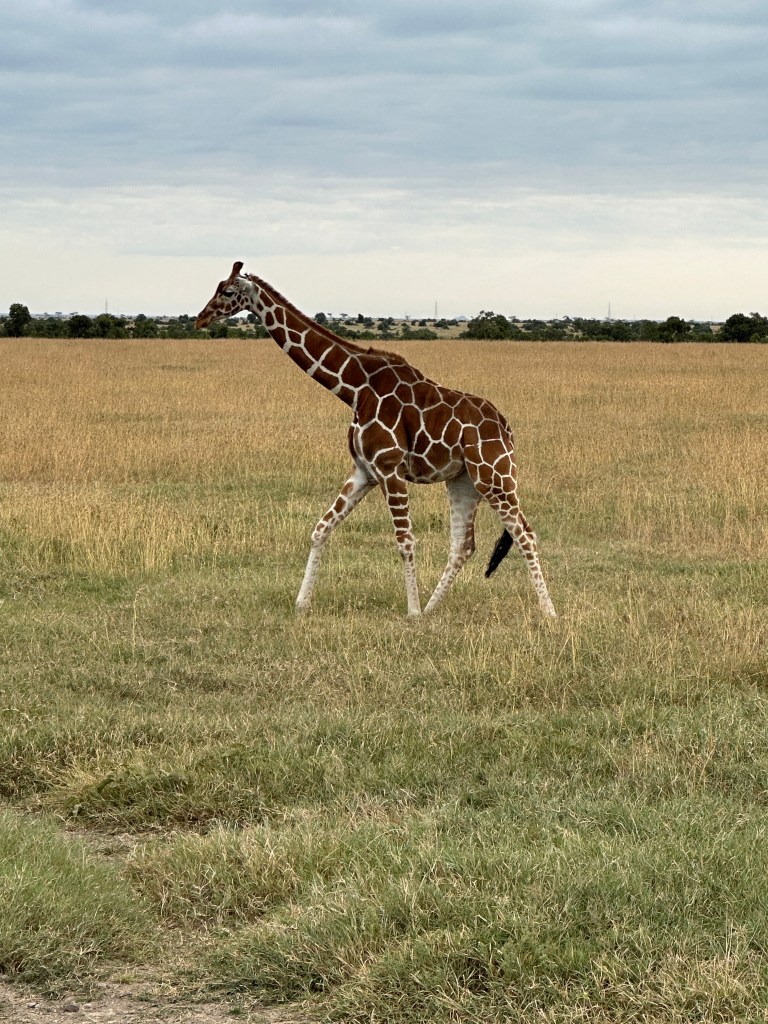
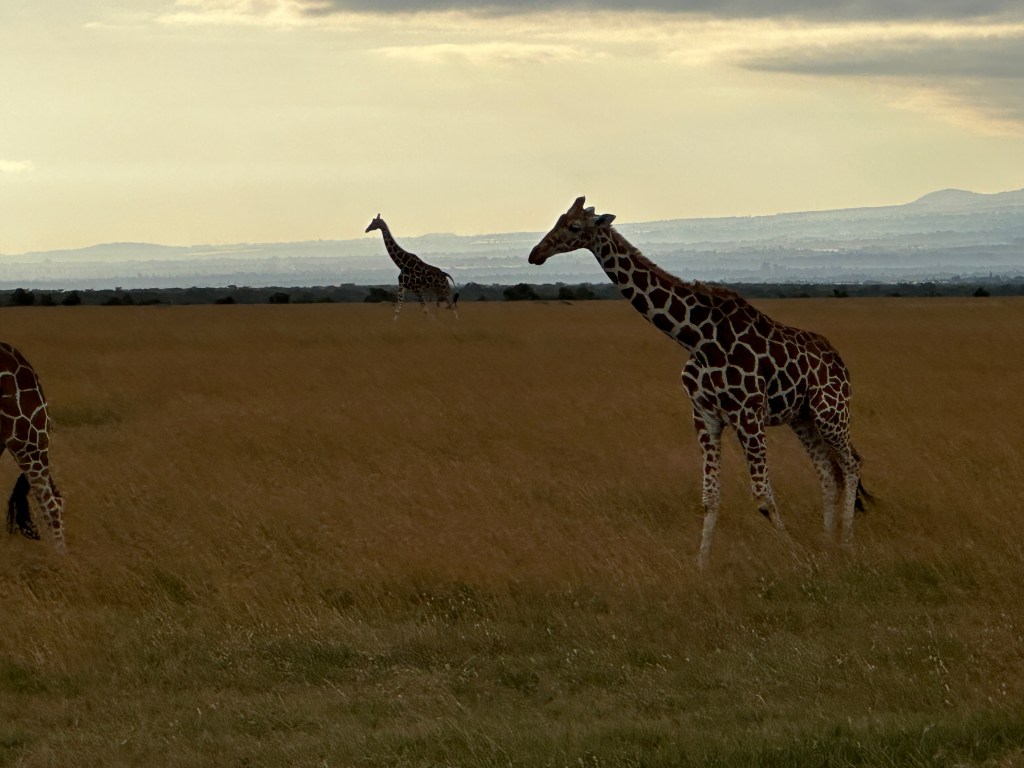
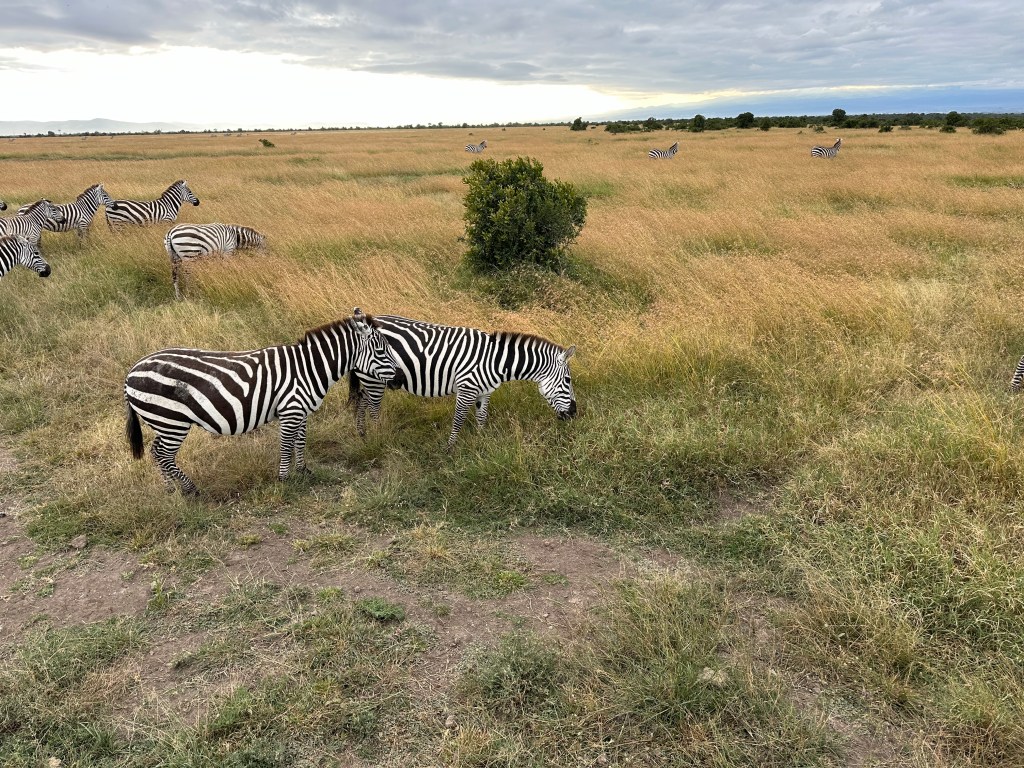


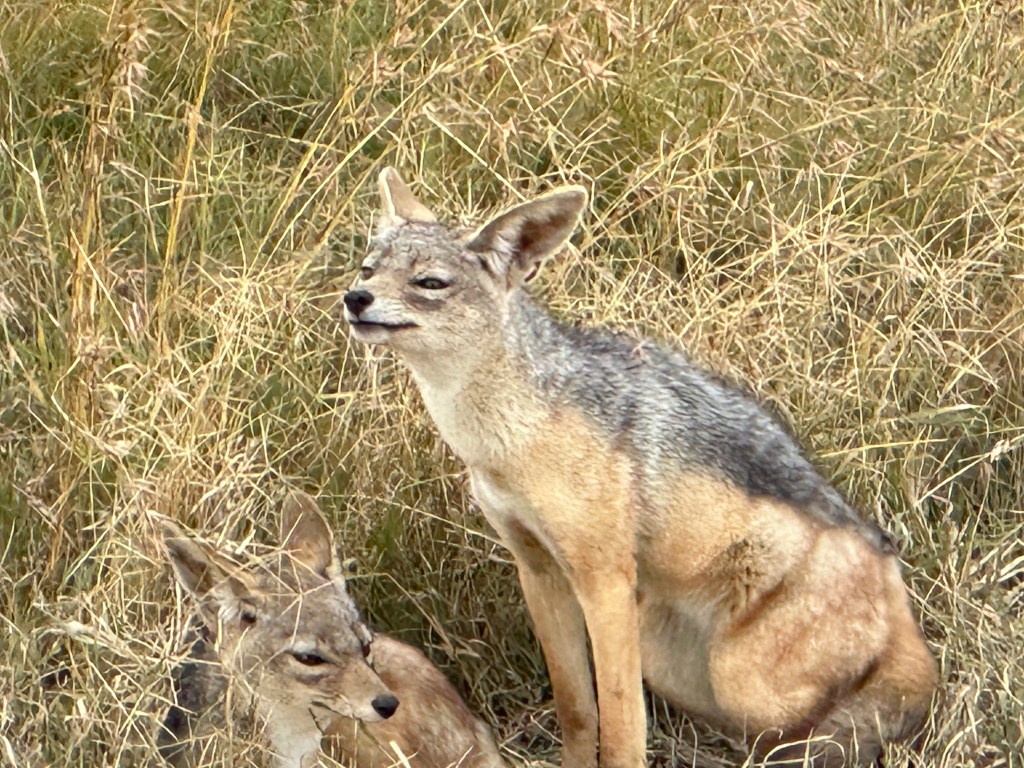
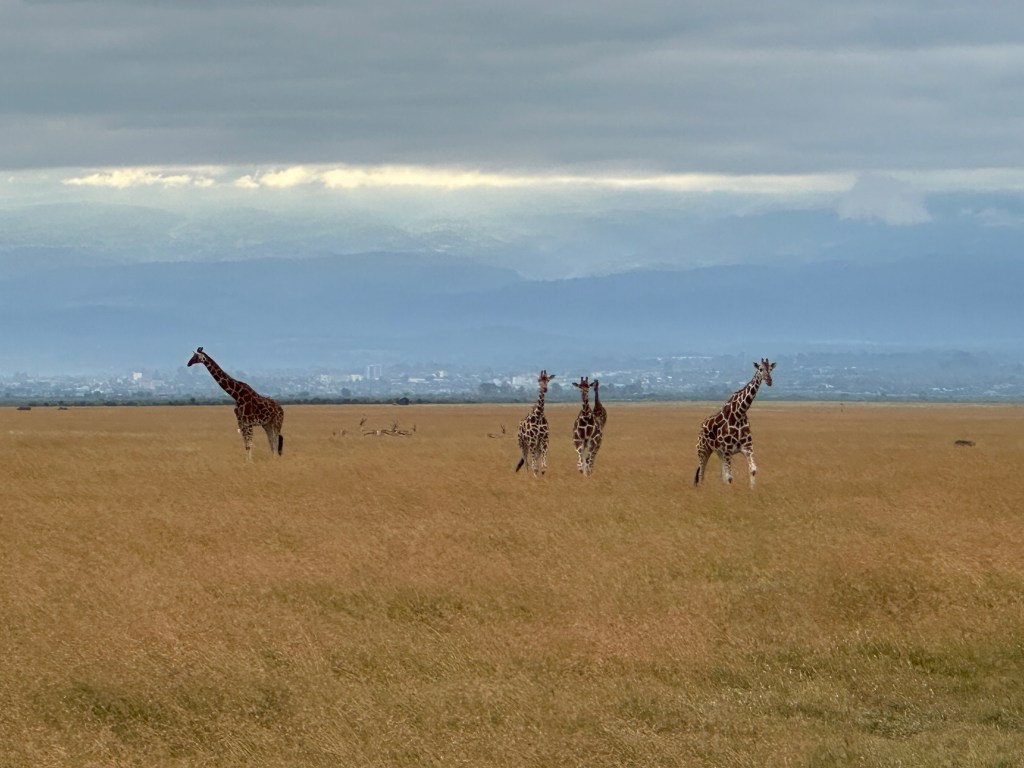
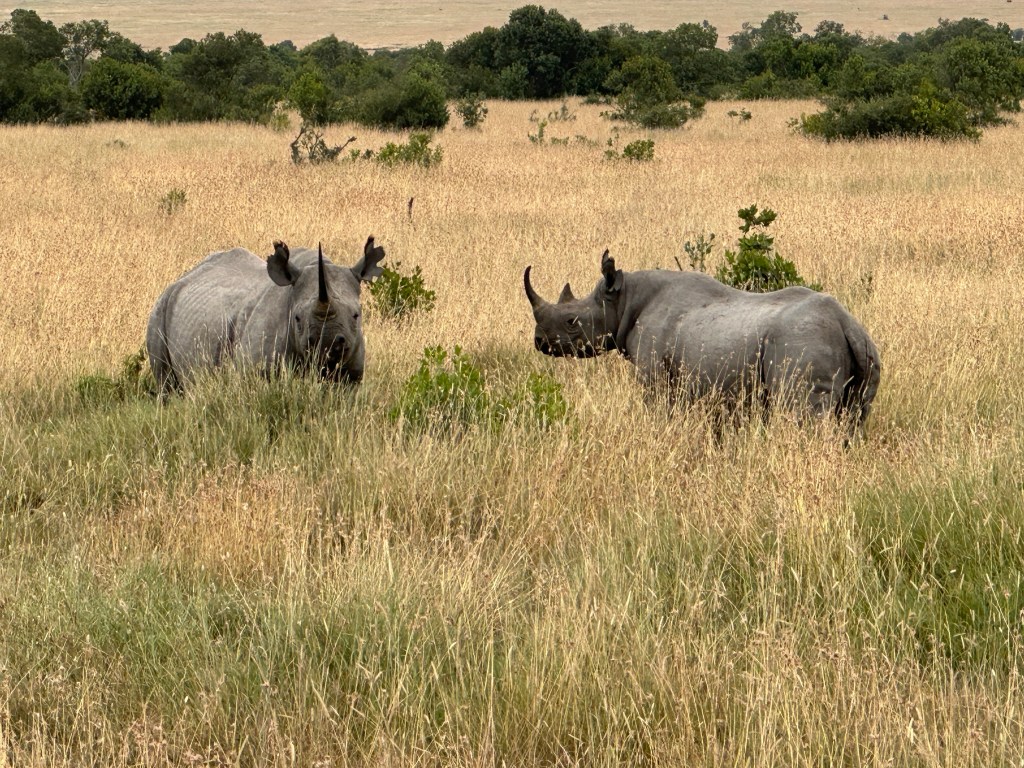
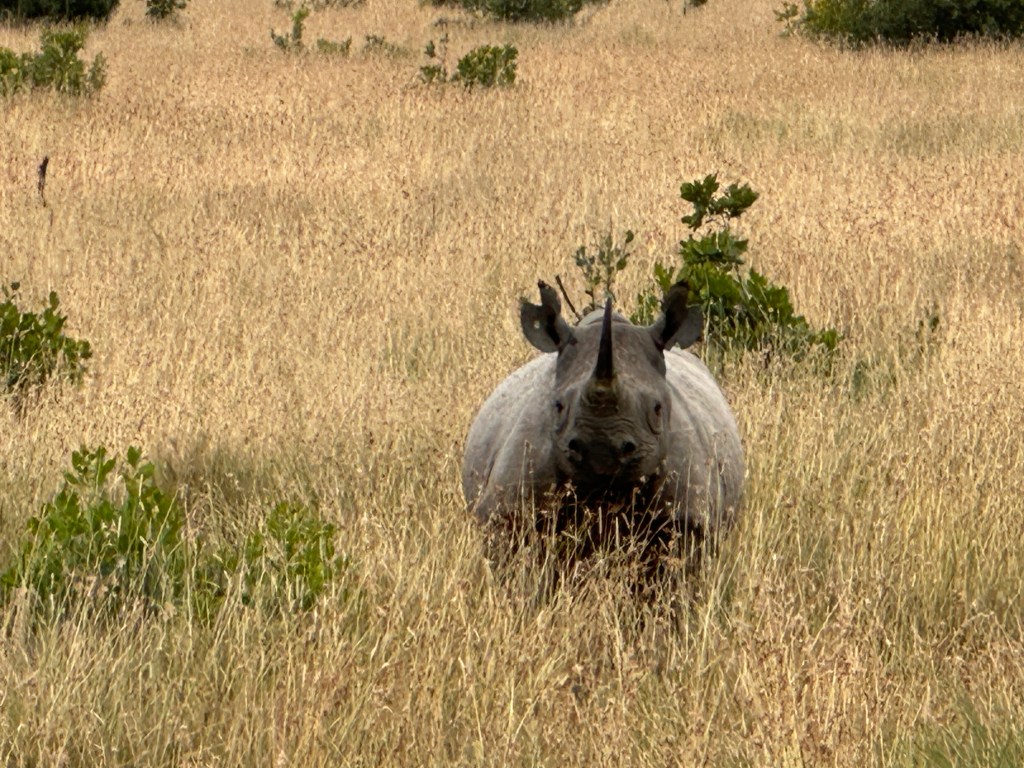
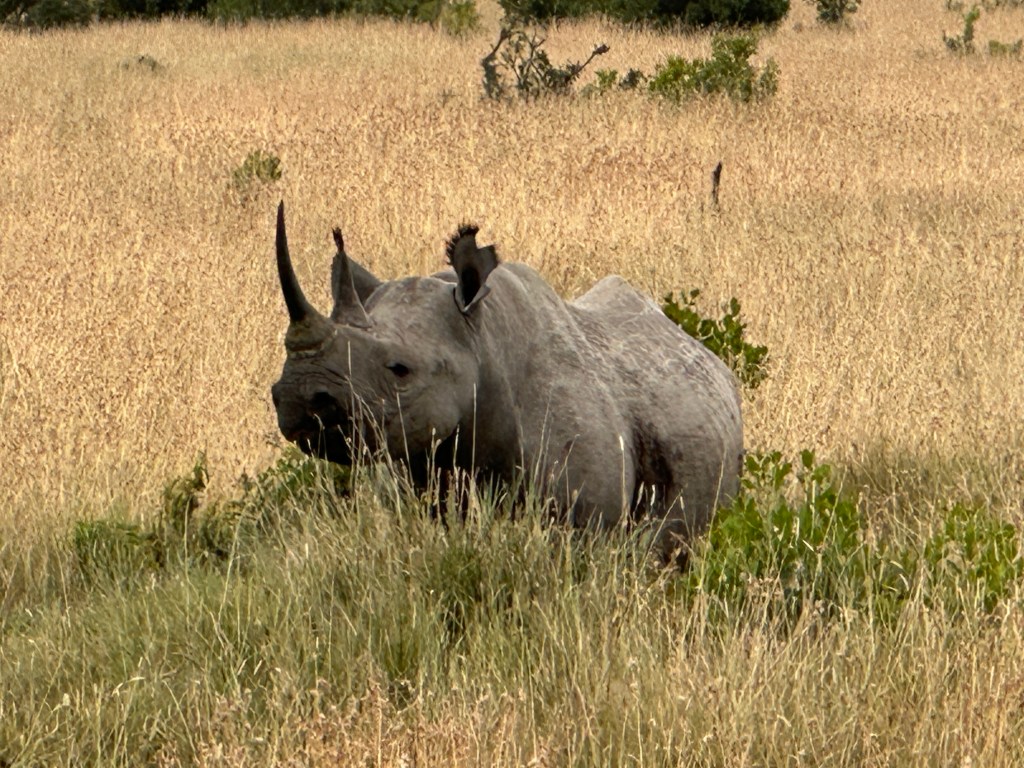
After doing this for only two days, you feel the pull of tourism. It starts to feel like you have to resist the temptation to be checking off a list of saying you have seen this animal, or gotten the perfect photo of that one, or worse: thinking, “no big deal, I saw that already”. I am trying to avoid this and live in the moment of just enjoying the immense privilege of just being here and trying to take it all in, so there are times already when I have missed some potentially perfect photos for the selfish pleasure of existing in the moment.
Chimpanzee Rescue and Northern White Rhino Sanctuary
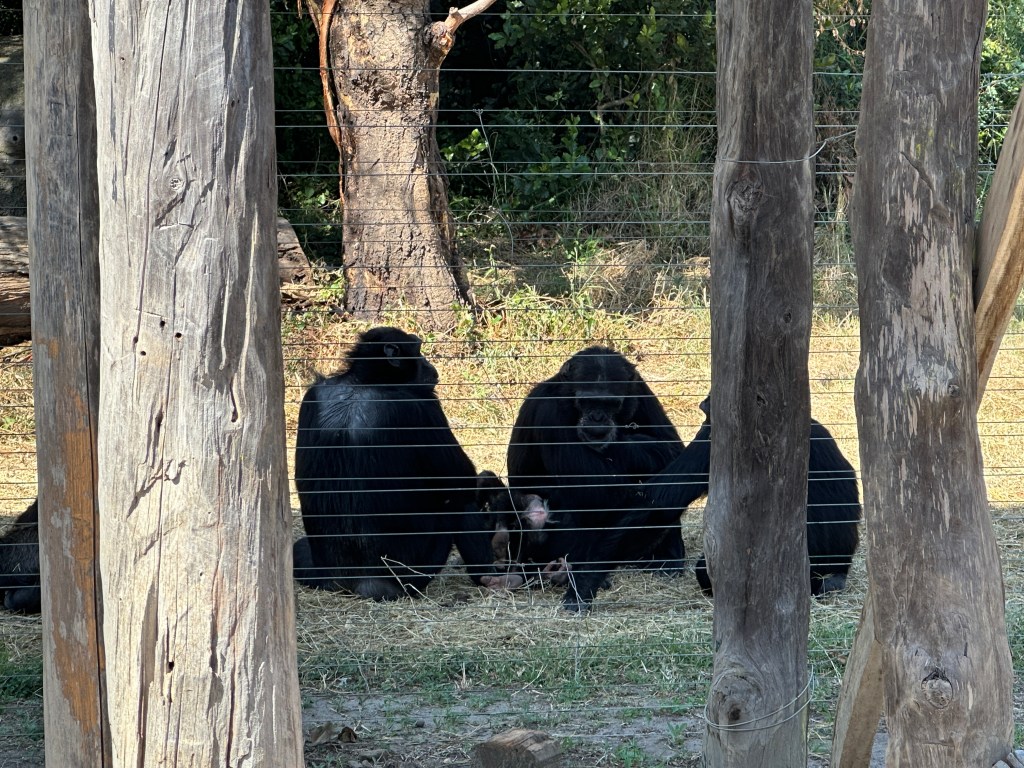
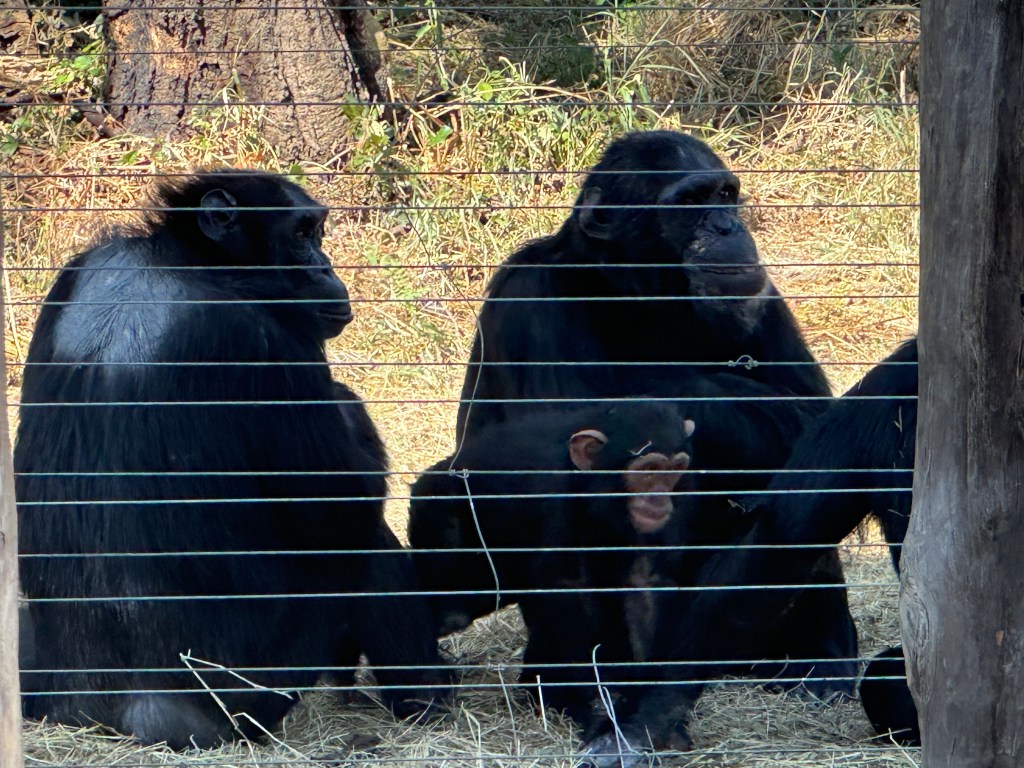
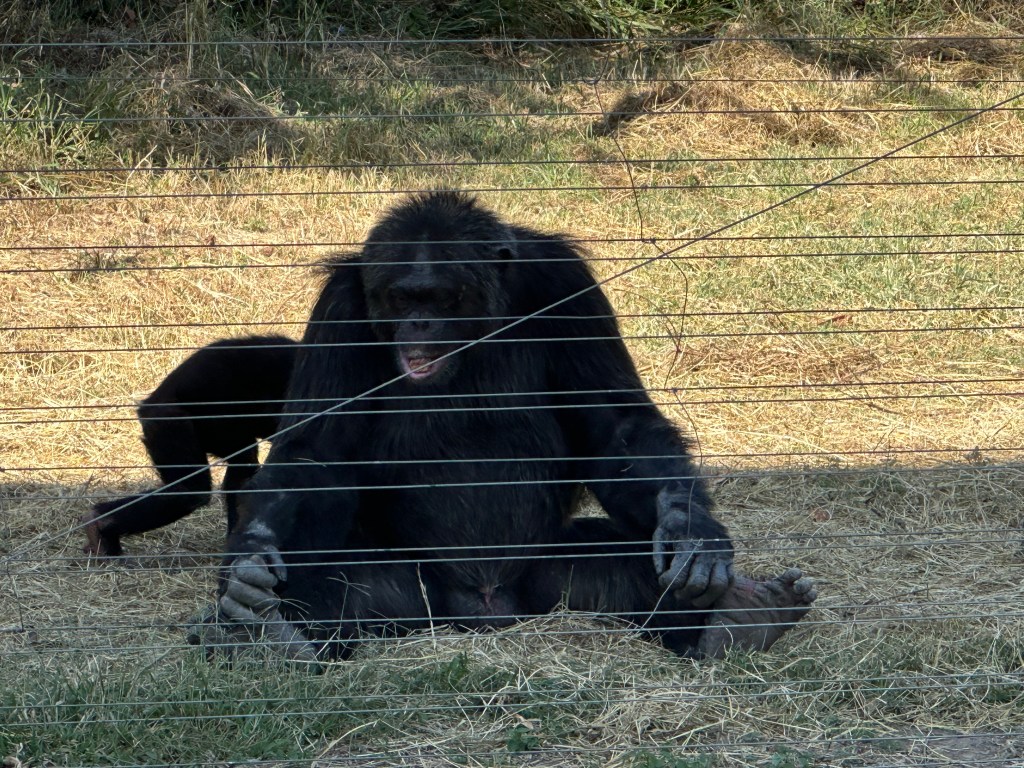
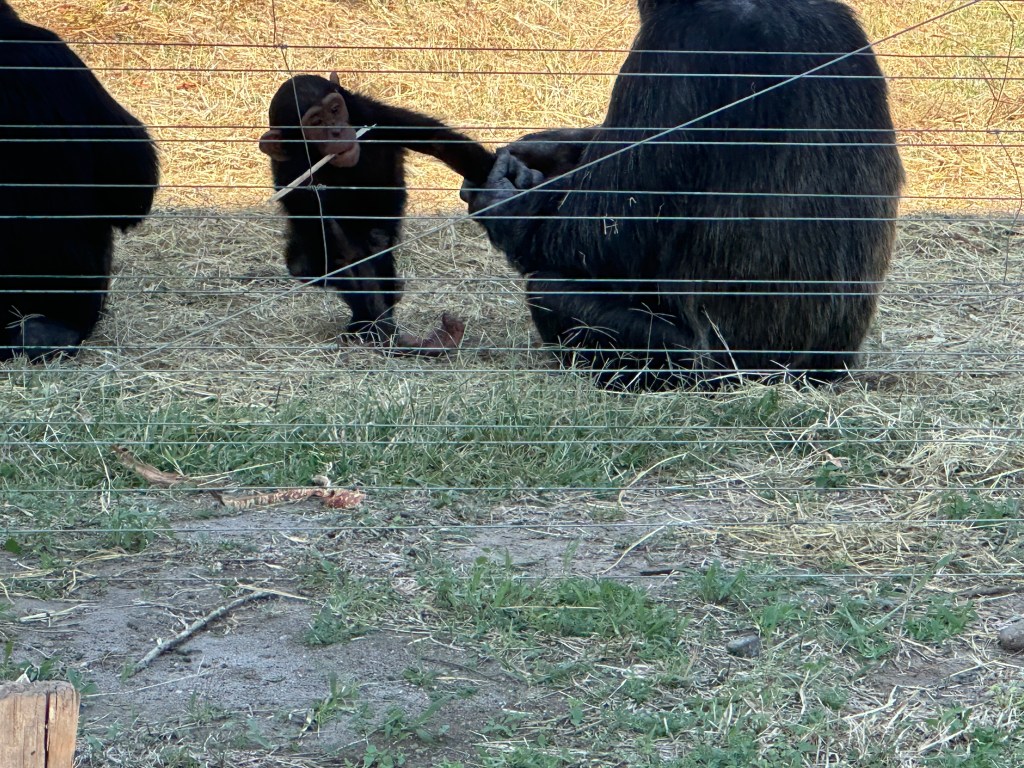
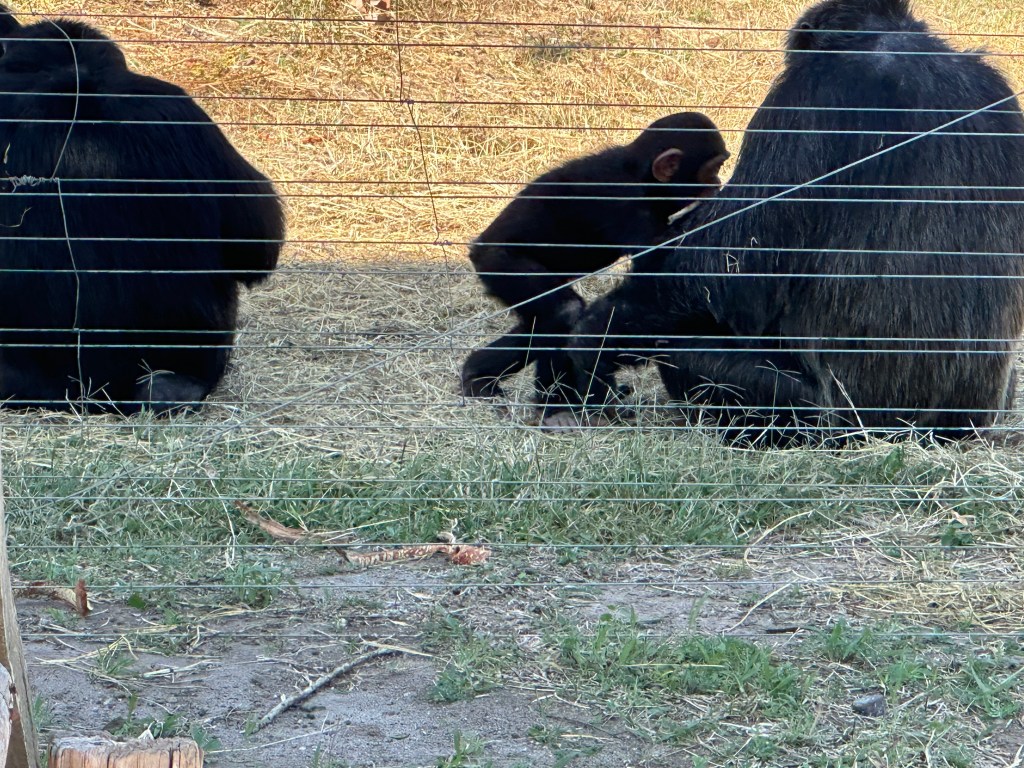
Next, we headed to the Chimpanzee rescue center for a quick visit before they retired to the cool of the bushes of their habitat. There are no Chimpanzees in Kenya, but Jane Goodall established this facility in an ongoing effort to educate people about the Chimpanzee, the senselessness of their ongoing endangerment due to habitat loss, the foolishness of thinking these very intelligent wild animals would be good pets, and the disgusting near cannibalism (they share 98.6% of human genetic material) of eating them. All of the residents here were rescued as orphans or pets and there was even a baby. It was great to watch them for a bit and the presentation by their caregivers was impressive in the depth of their knowledge, but it was difficult for me to get good pictures through the electric fence (in a sign of their intelligence, leader of their group has figured out how to escape the fence numerous times!!), and as it warmed in what is not their natural climate, they quickly retreated to the cover of the forest.
Attempts to Save the Northern White Rhino
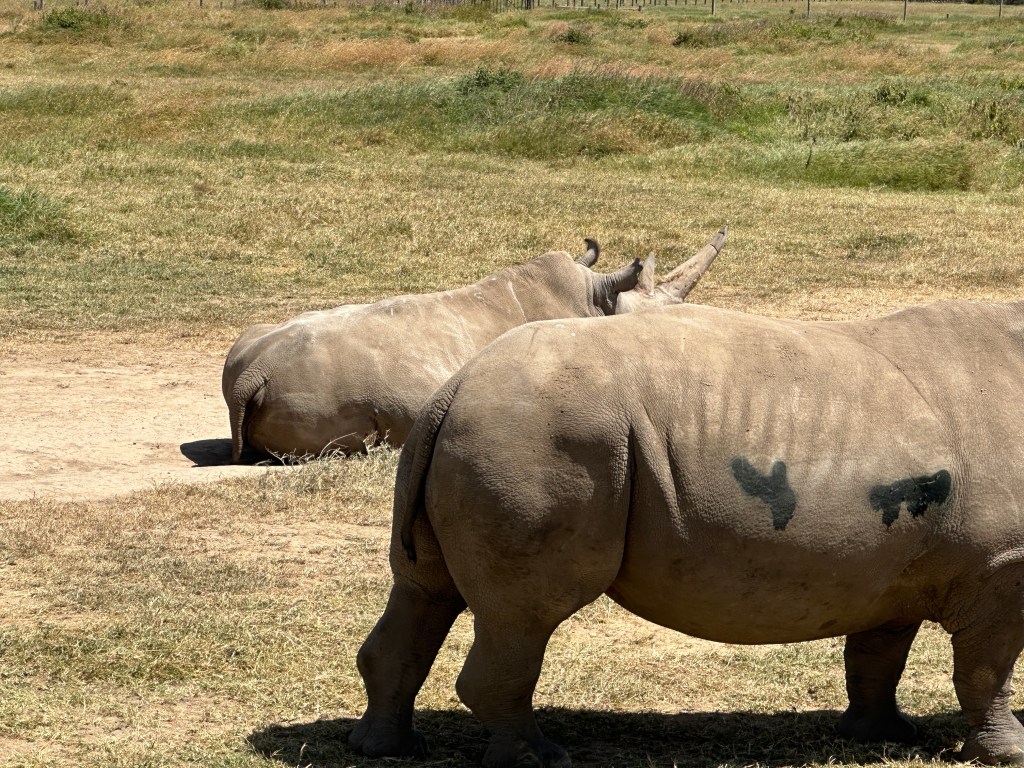
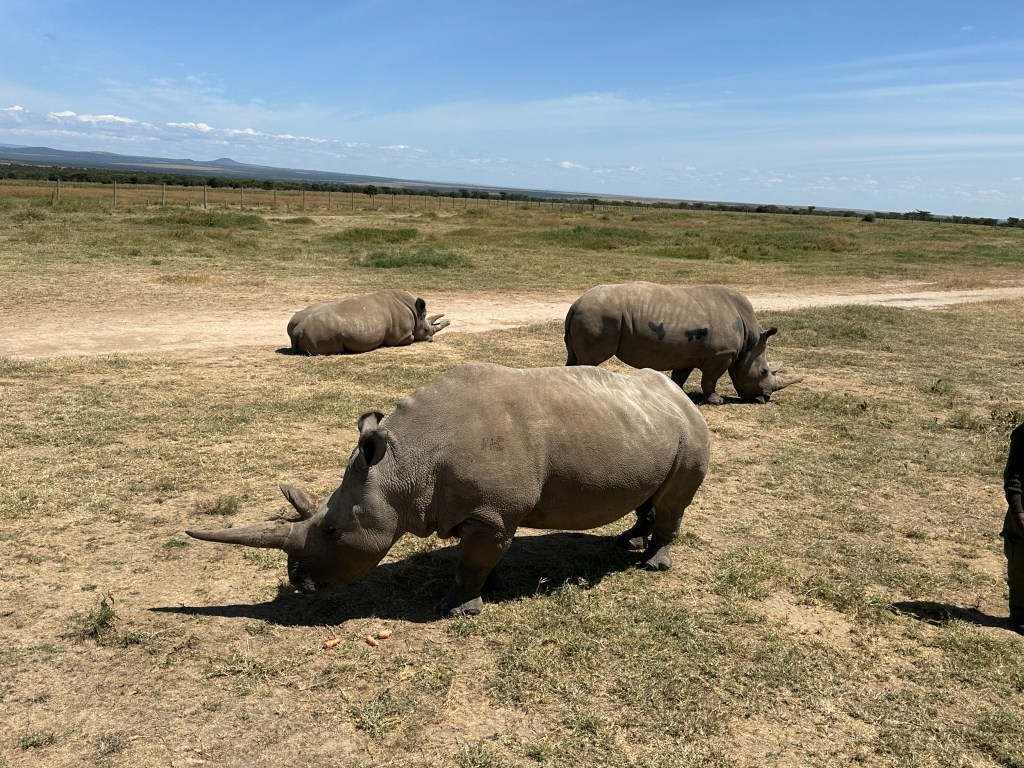
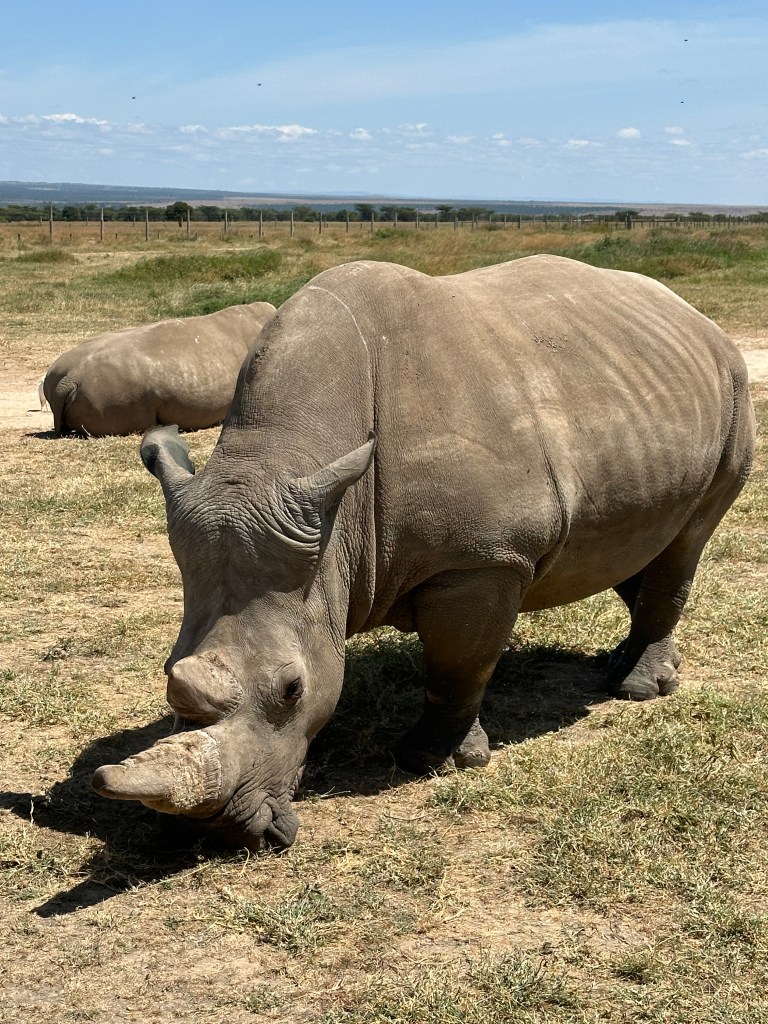
The primary fame of Ol Pajeta is the effort to preserve the Northern White Rhino. As recently as the last ten years there were four remaining in the entire world. Two that were in zoos in San Diego and the Czech Republic died recently and the last two, Najin and Fatu, are here, cared for and guarded 24 hours a day in a separate habitat. They are both females and neither can reproduce, so they are truly the LAST two. The last male Northern White Rhino died recently.
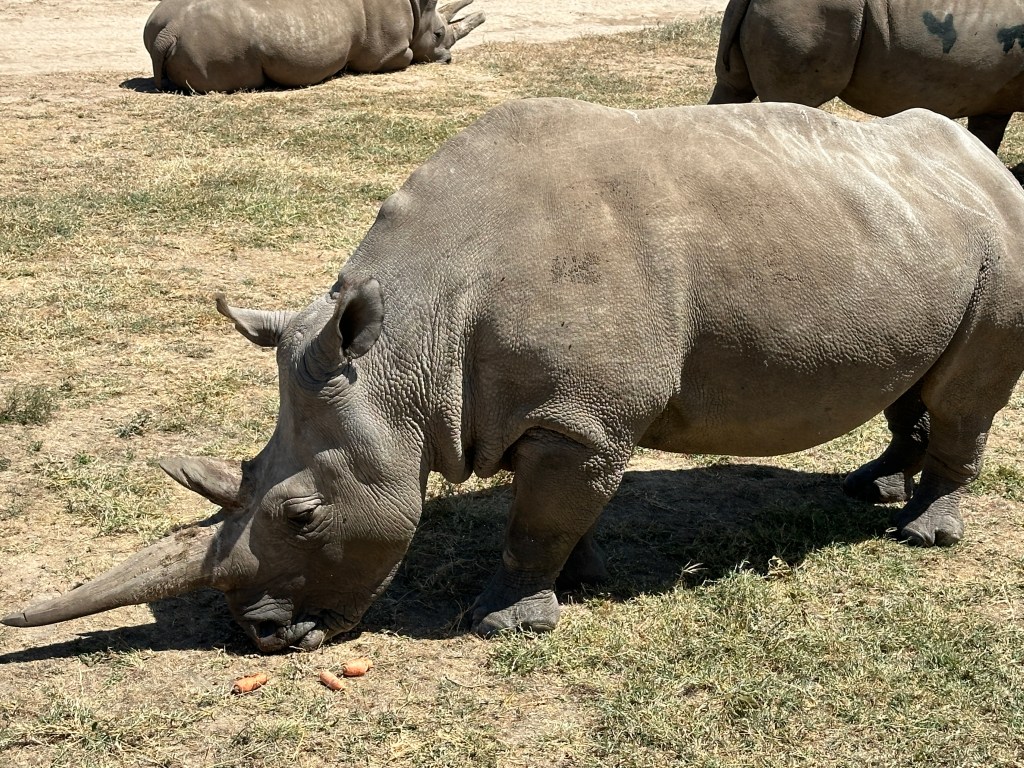
I wont attempt to tell the whole story, but as you may know, the disappearance of rhinos world wide is one of the more embarrassing things of being human (and there is a LOT of competition in that category!) as they were only hunted for their horn and the mistaken belief that it hold magical medicinal properties when in reality, it is identical chemically to human hair. Our guide even rubbed a bit of the horn and handed us some of the material that comes off which felt and looked exactly like hair.
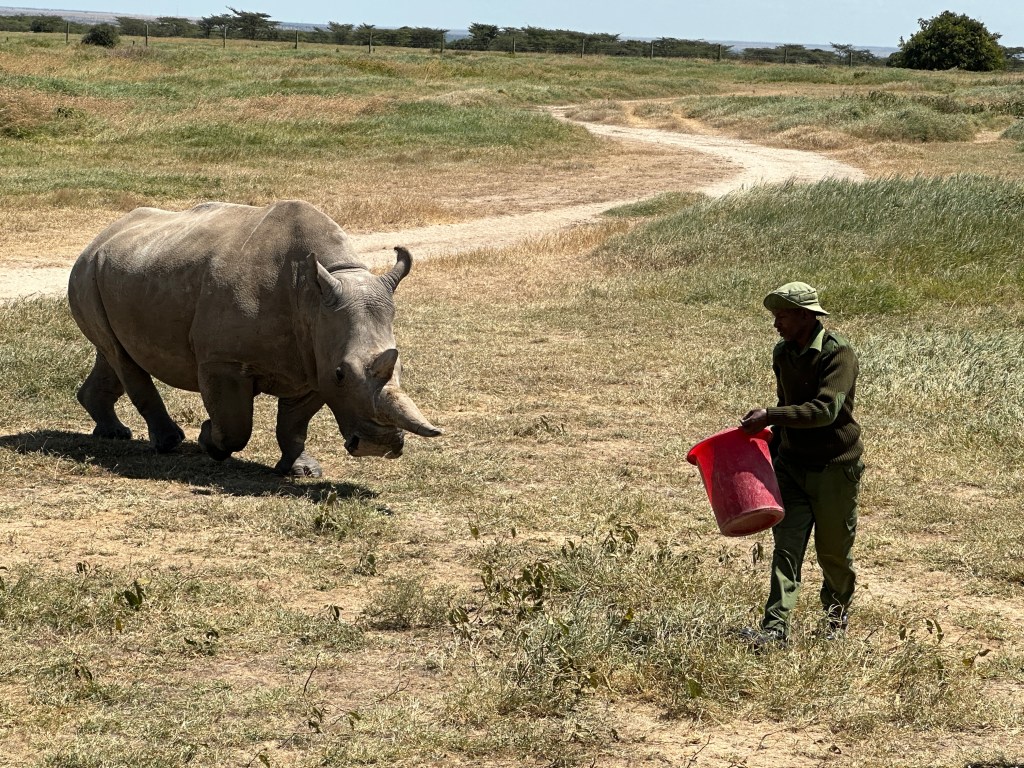
We were fortunate to be allowed privately into the enclosure with their caretaker, Zacharia, whose close bond and love for these animals as he has cared for, and worked tirelessly to preserve them for over twenty years is instantly obvious (you can find him on instagram). Even more humbling and exciting, they are hopeful to begin the process of using a southern white Rhino as a surrogate for the next ongoing attempt at producing a baby northern white so they do not vanish completely. There is so much more fascinating detail to this process that would take too much to explain and I would probably get something wrong biologically. You can follow these efforts which may commence in the next month or two on National Geographic.
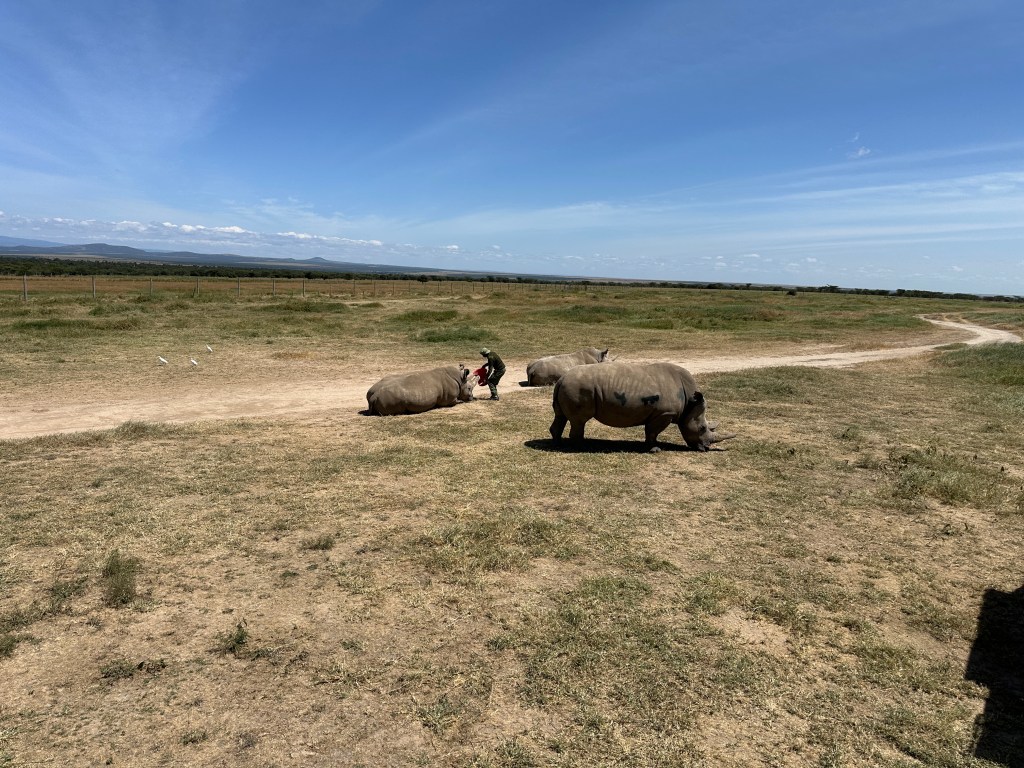
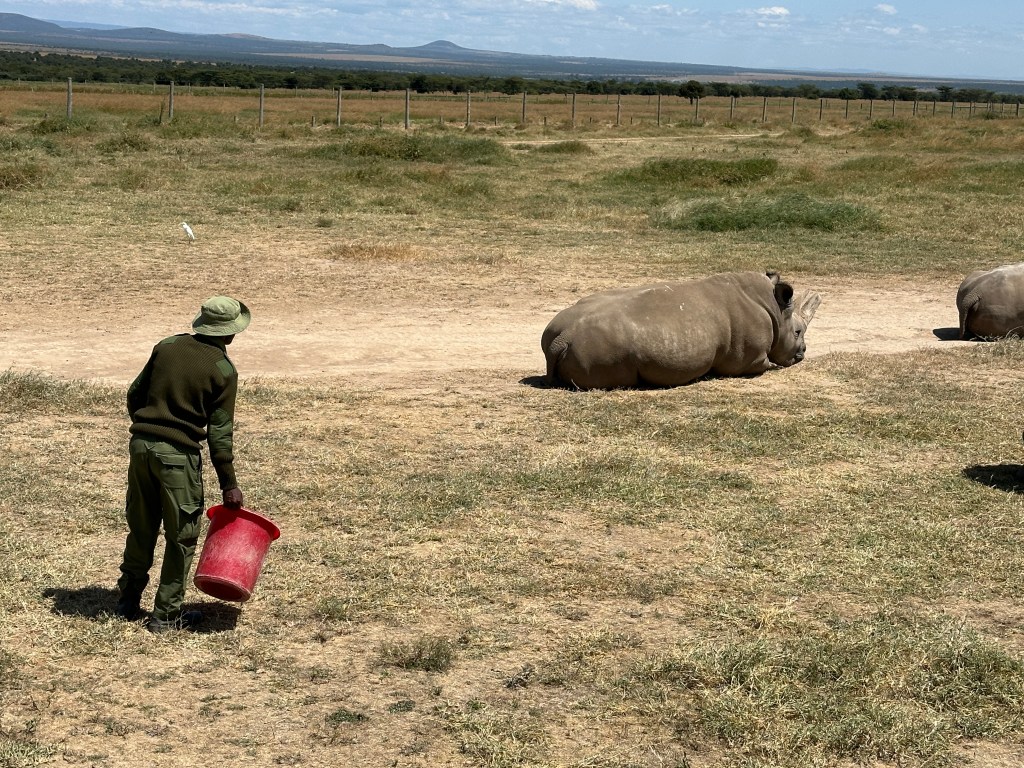
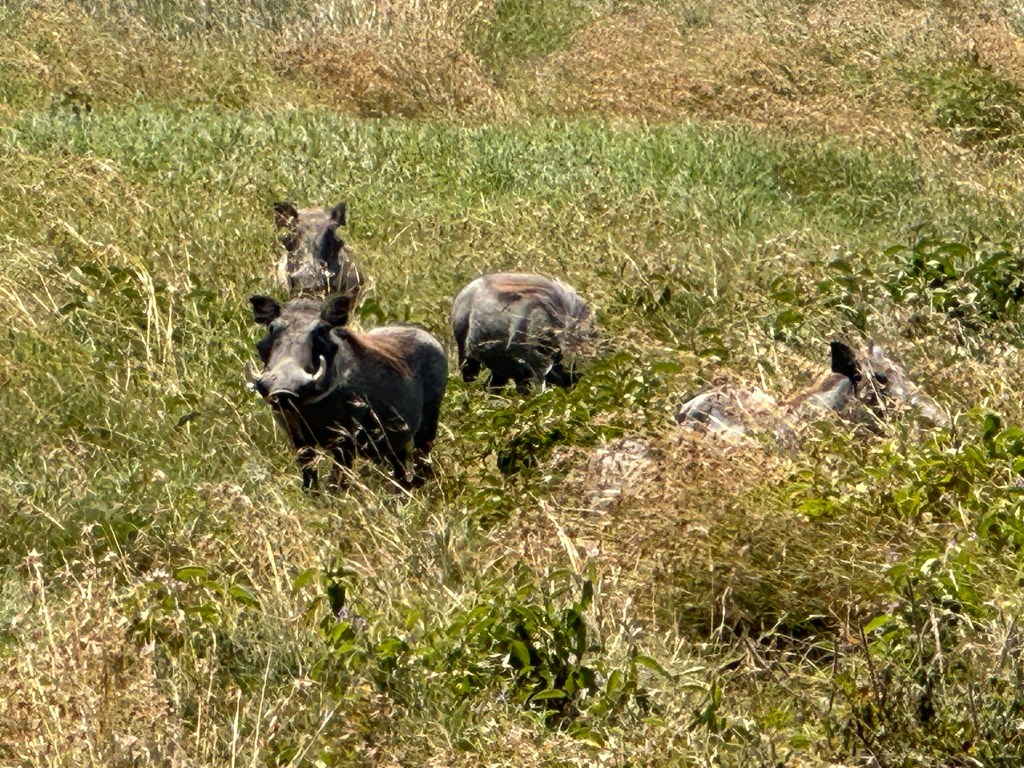
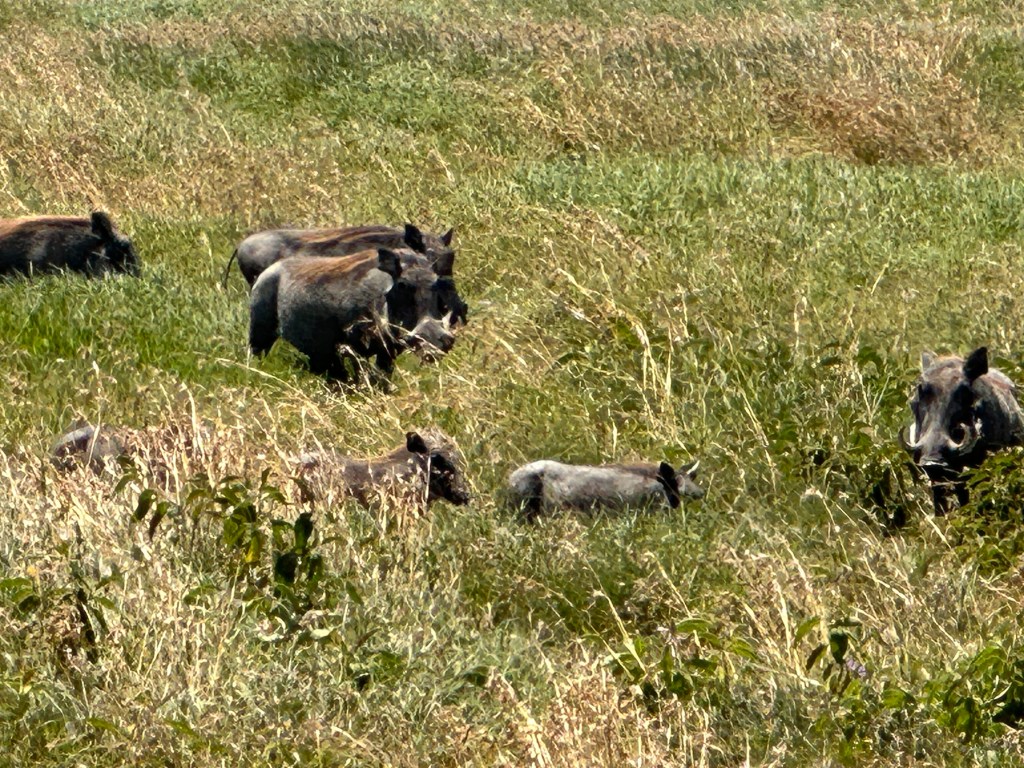
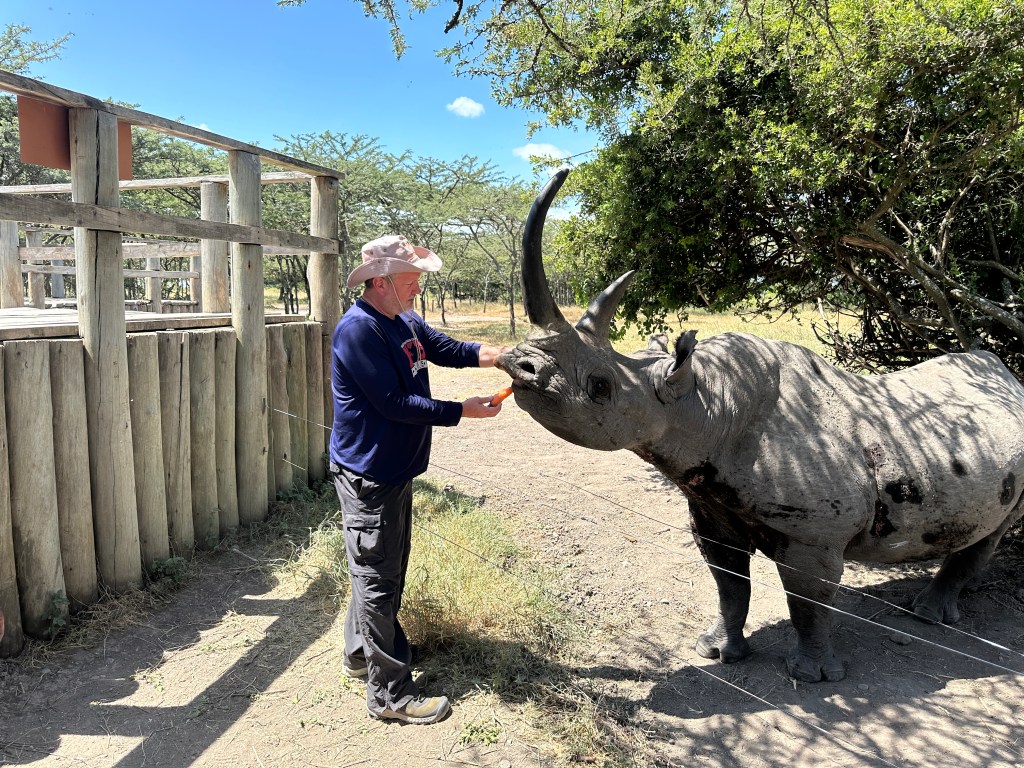
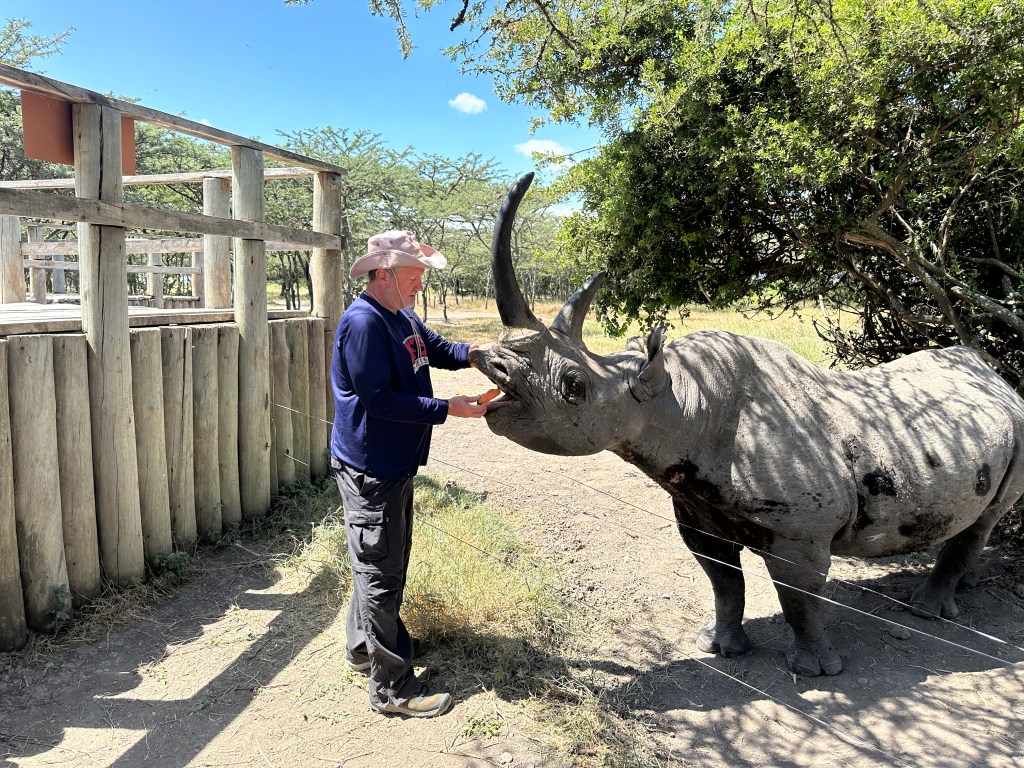
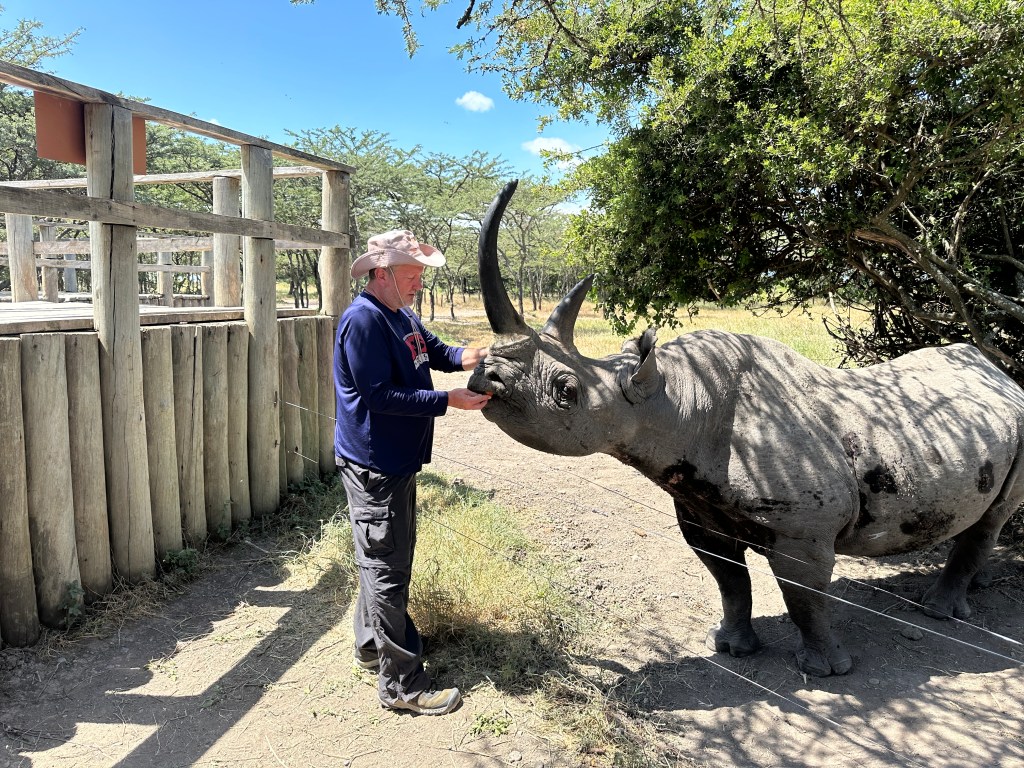
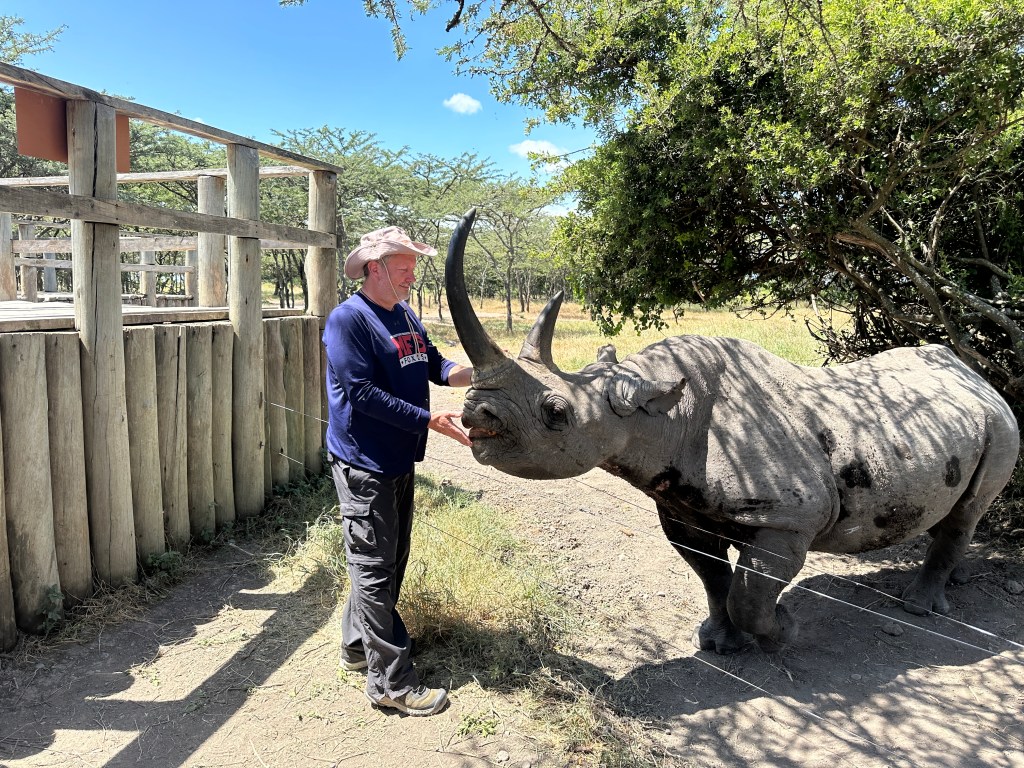
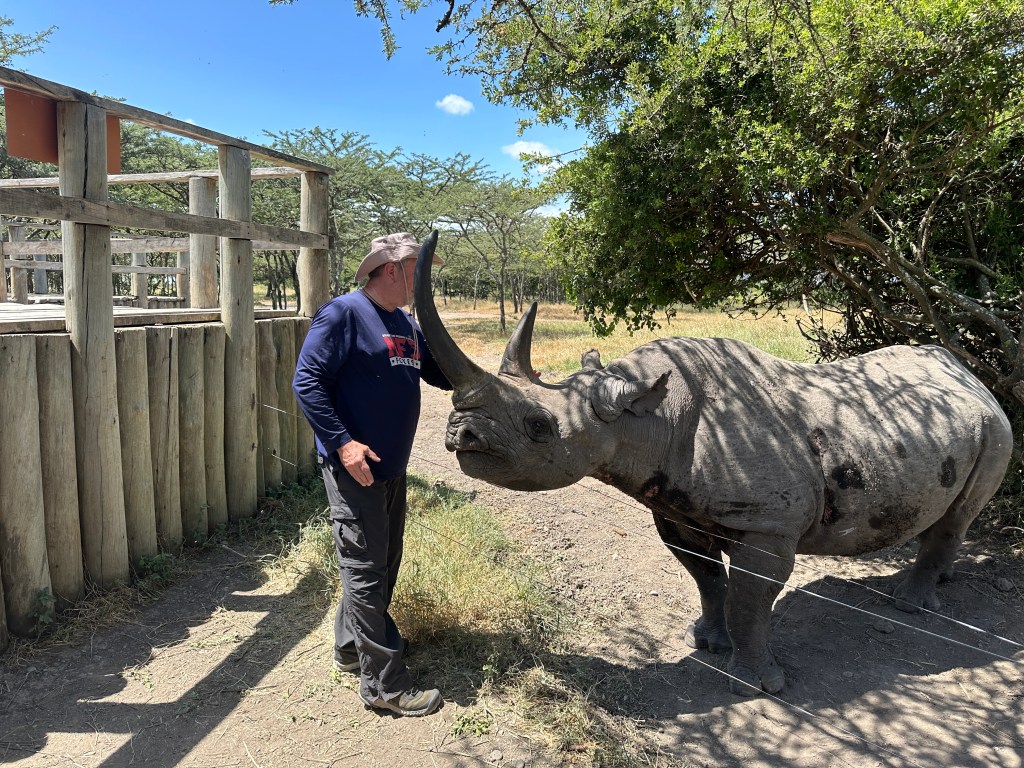
Zacharia brought a large bucket of carrots with us and fed them and got them to come over to us for shameless photo opportunities, and to see them up close. It was my next emotional moment of the trip to touch one of the last two living animals and hope beyond hope that they are successful in saving them. Similar efforts with other rhino species have been able to establish stable populations. A family of Pumbas seemed very hopeful that there would be leftovers from the feeding. You can also see Fatu in the background (she is Najin’s daughter) who was more interested in sleeping than eating on this occasion. The Rhino with the black spots is one of the female southern whites who is a candidate for surrogacy. By the way, the name white Rhino has nothing to do with color and is just a language misunderstanding from the description of this type of rhino having a wide mouth for eating grass as opposed to the black rhino that has a protruding mouth to be able to grab vegetation from bushes to eat.
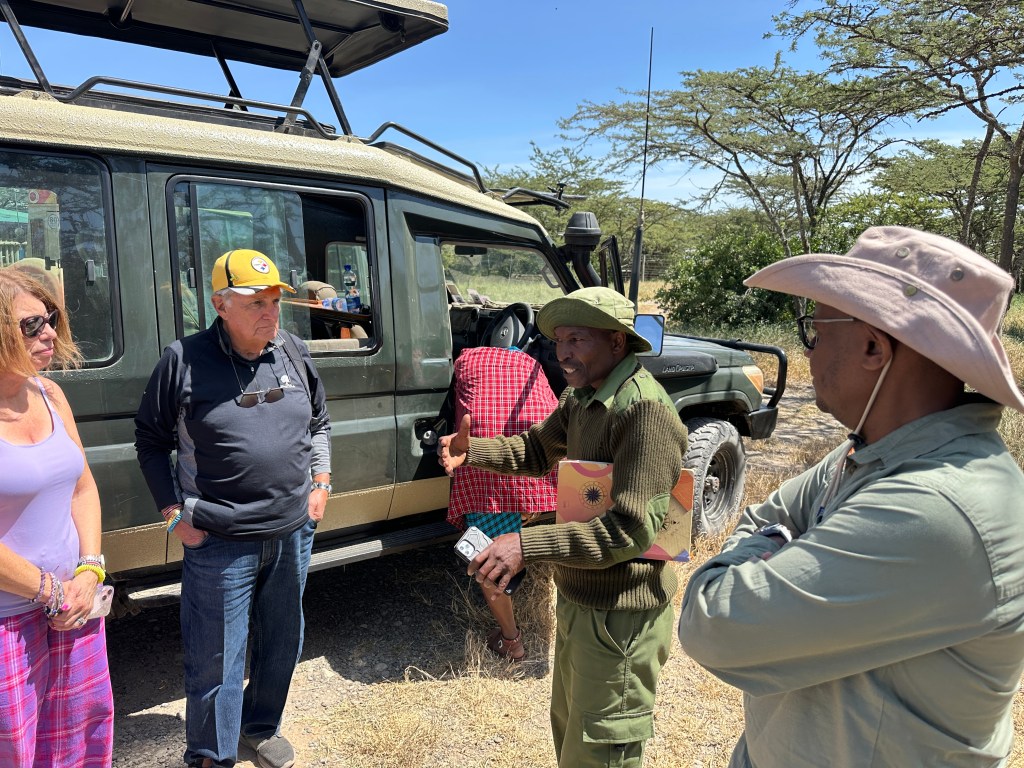

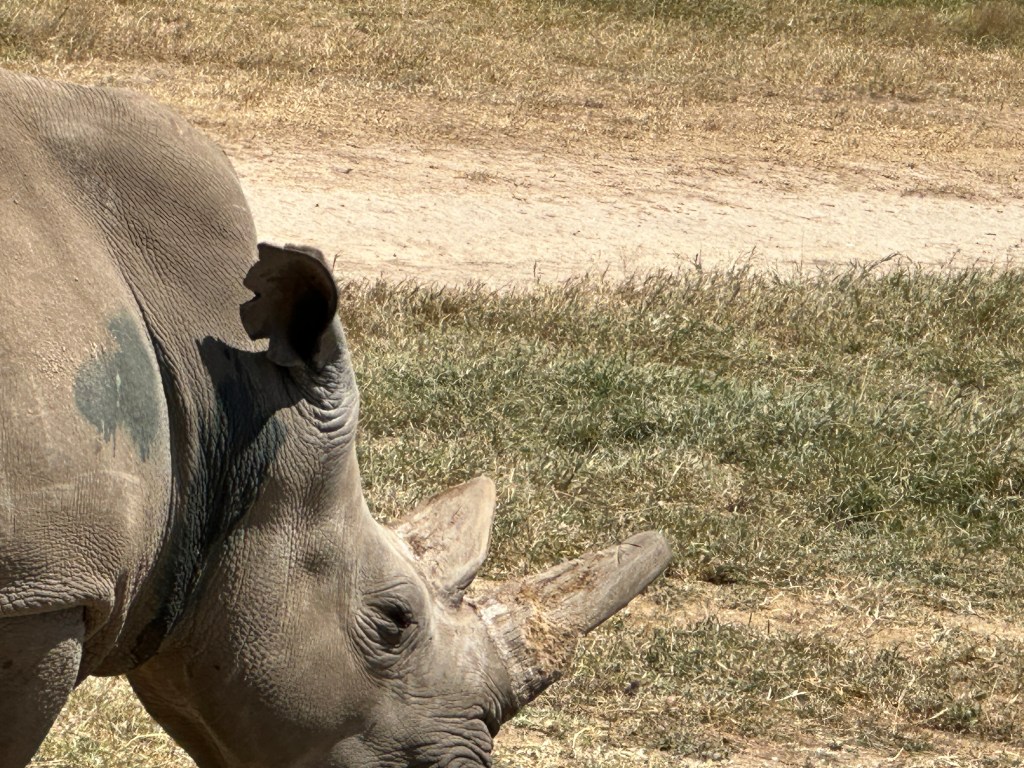


Finally, we got a chance to meet and feed Baraca, who is a blind black rhino living out a good retirement in his own private enclosure. He was very sweet and had remarkably soft skin behind his ears that I got to pet.


Afternoon Game Drive: More Incredible Lion Action and Finally Some Elephants!
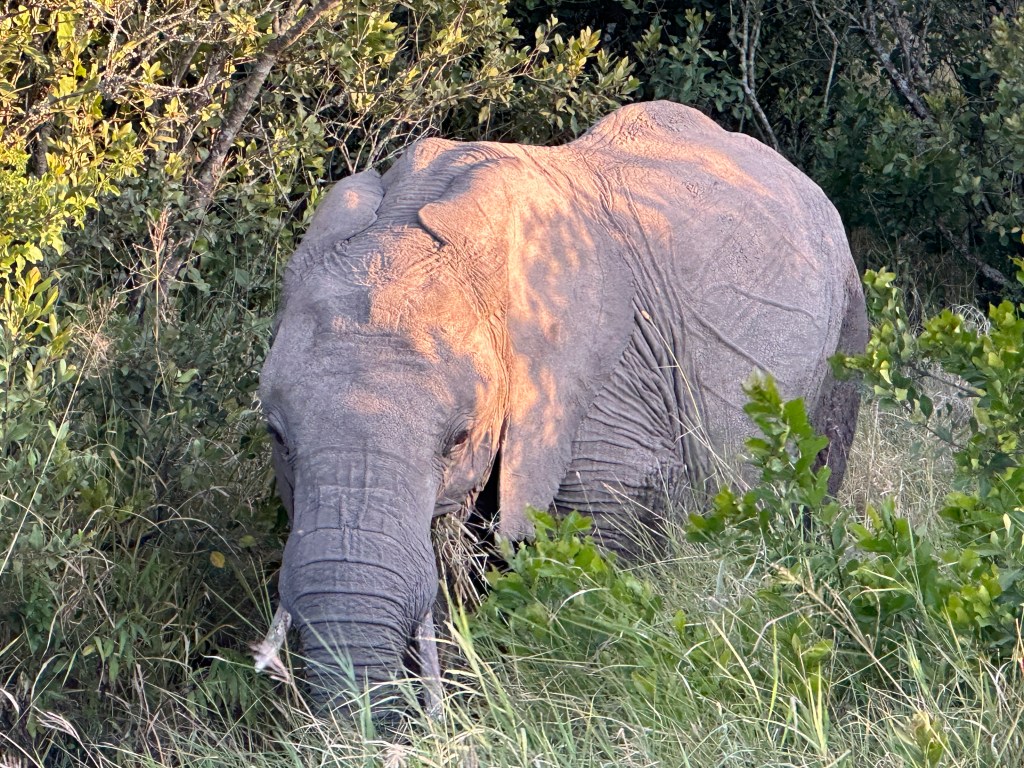
The excitement from that experience was shared enthusiastically at lunch and it seemed impossible to top. But, our afternoon safari quickly resulted in my first sighting of elephants which was amazing!
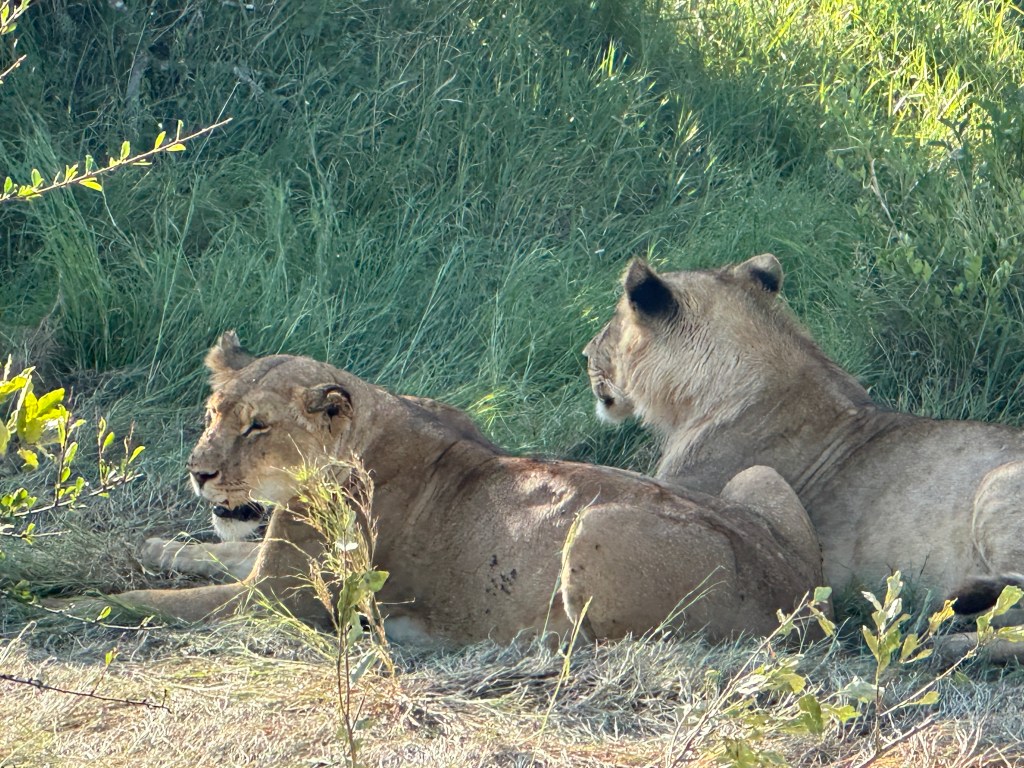
This was followed closely by our guide spotting two beautiful lions, one female and one young male, hunkered down in the bushes.

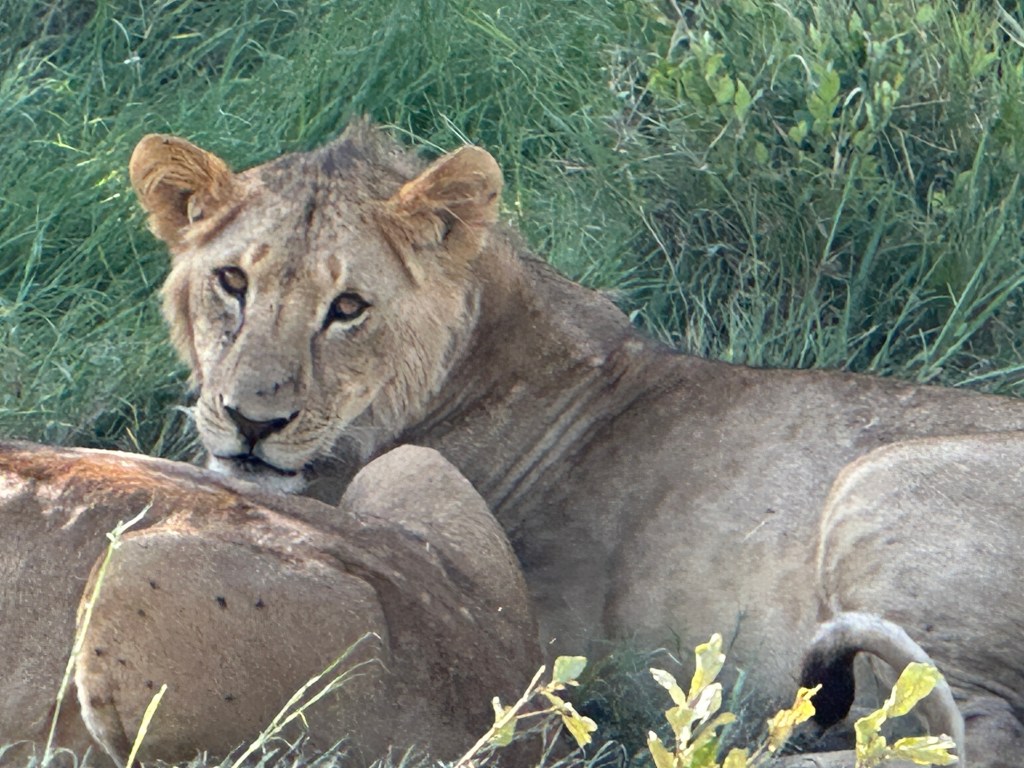
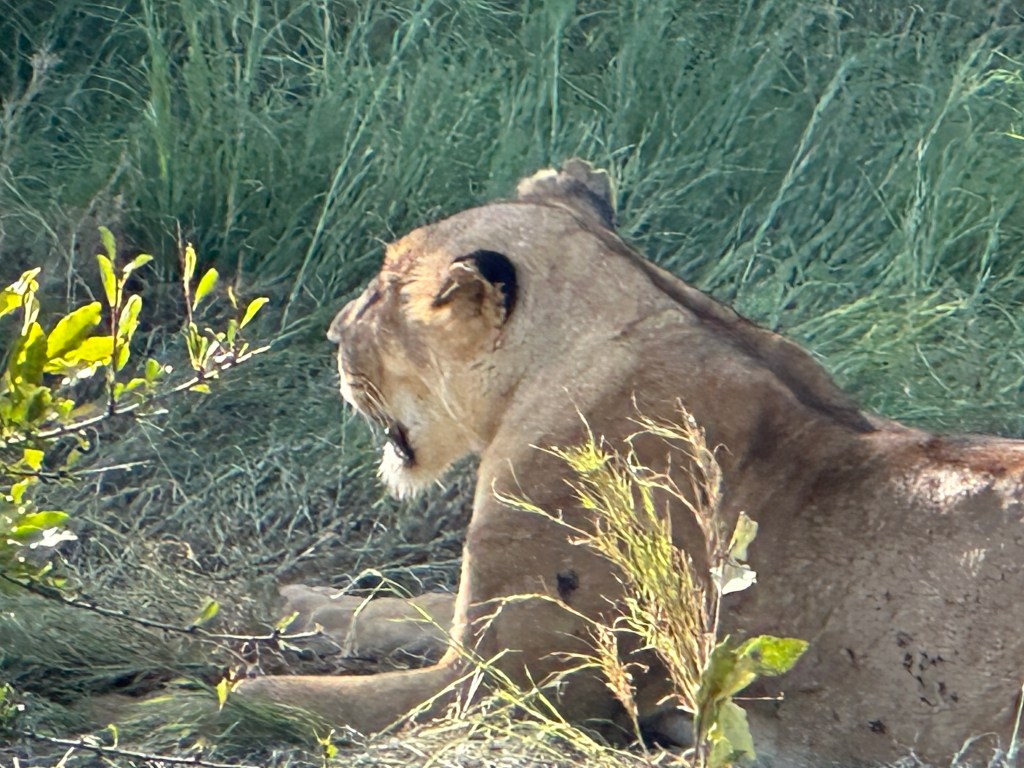
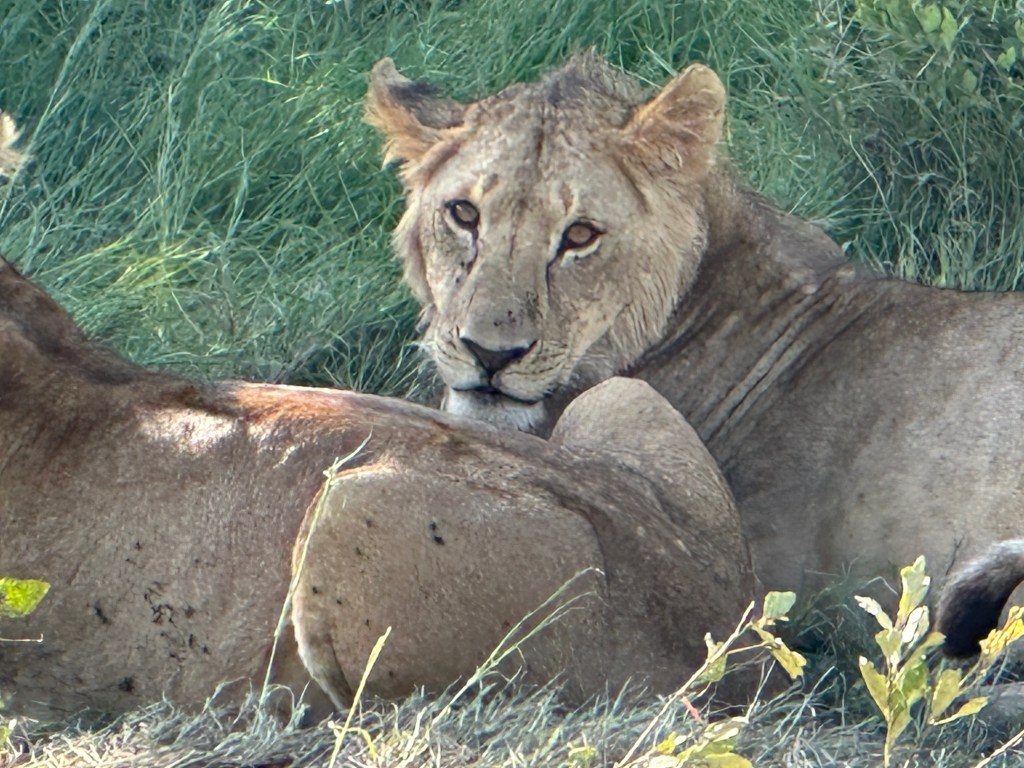

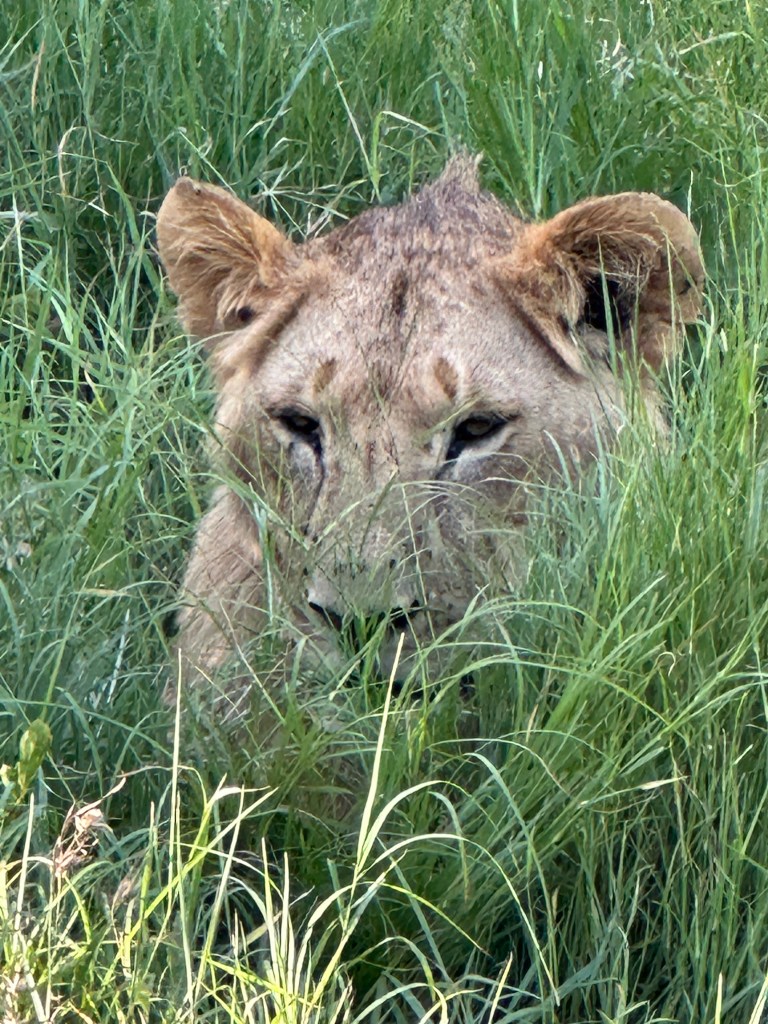
While watching in awe, all of the sudden there was guttural roaring from the bushes off to our left. I wish I could capture how it sounded and how you could feel it. I caught just a tiny fraction at the end of this video clip. Sound up!!!
Sure enough there were two male lions off under a tree devouring a zebra carcass. Again, a rare sight and I’m running out of ways to say awe inspiring.
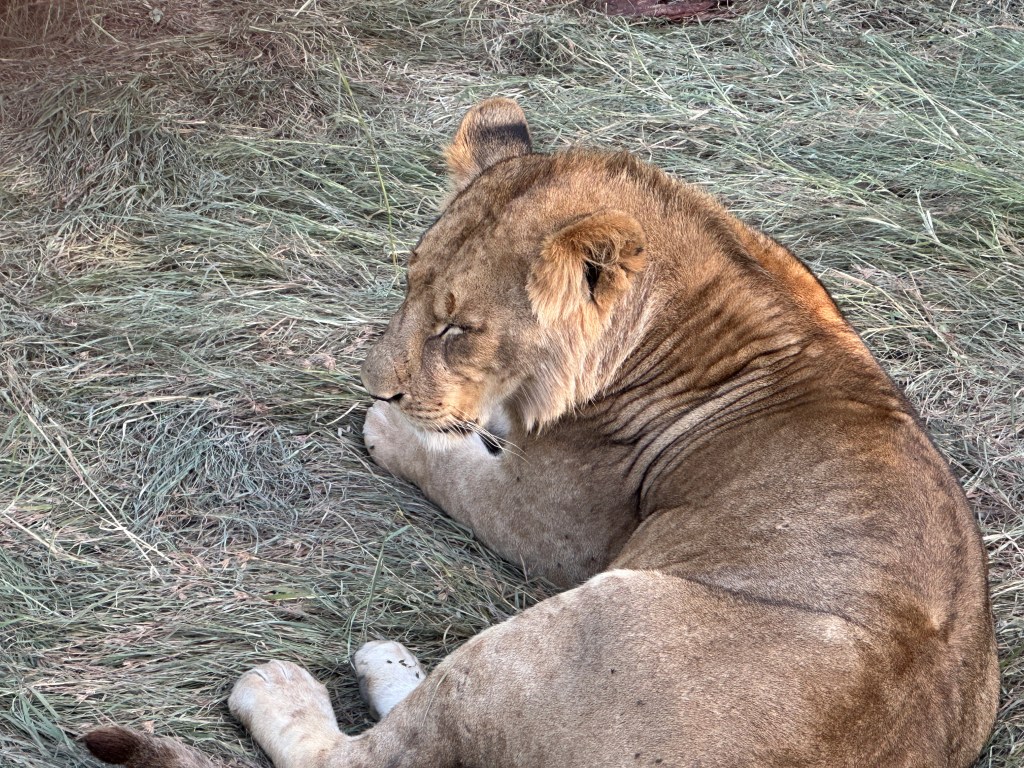
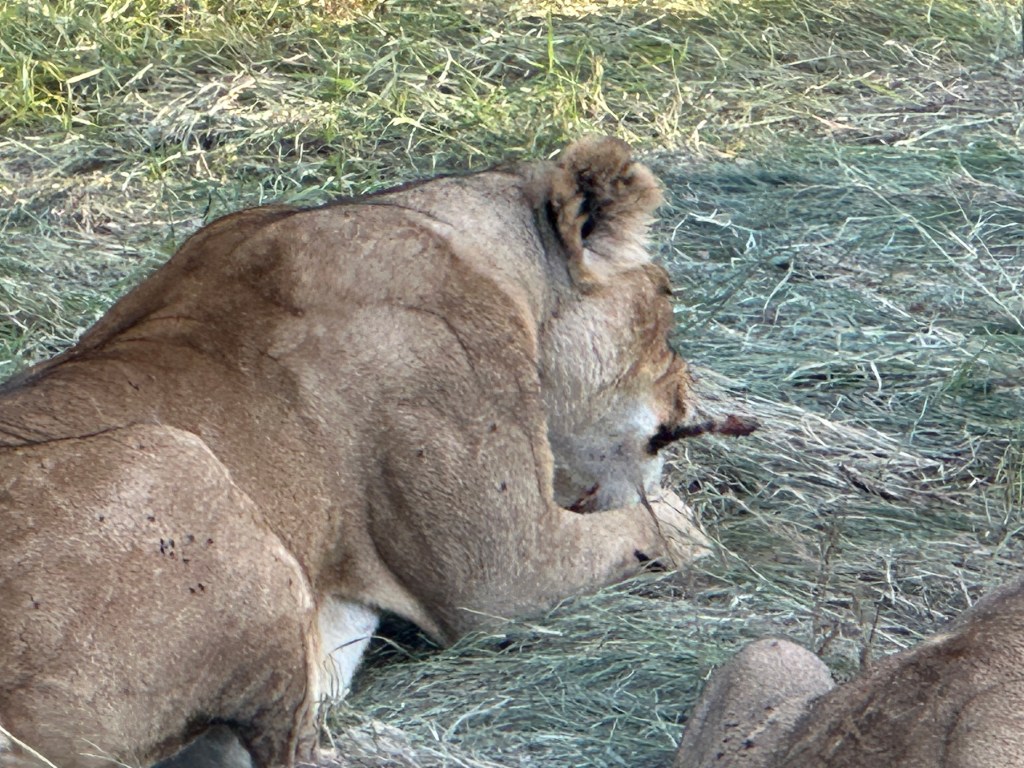
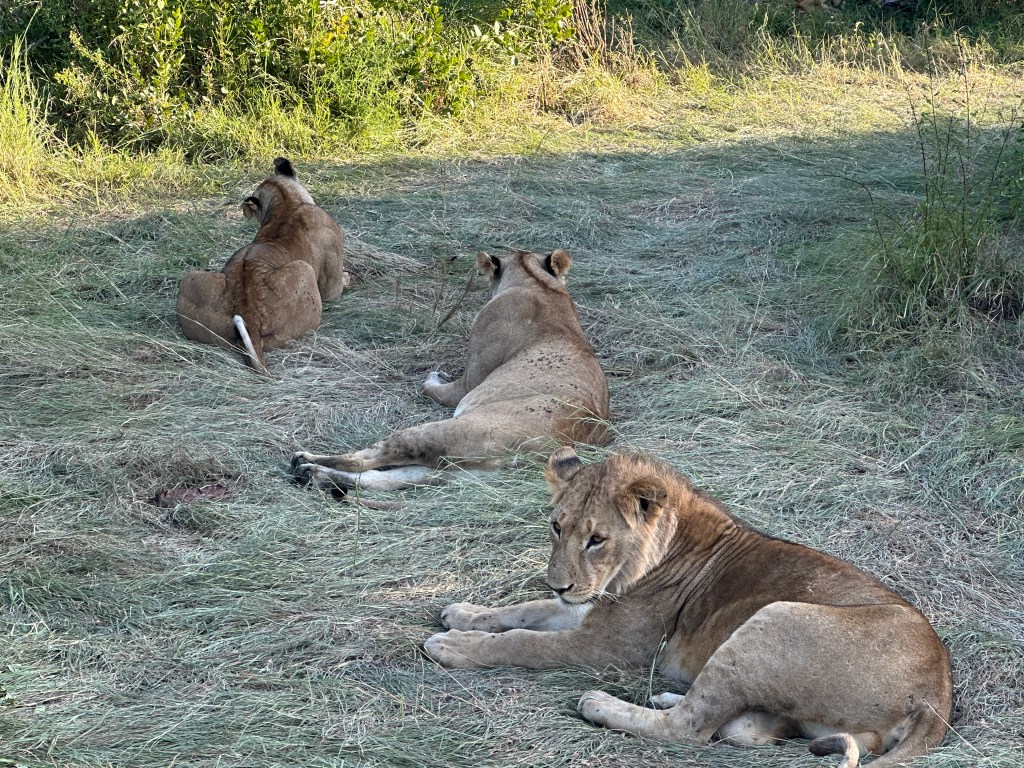
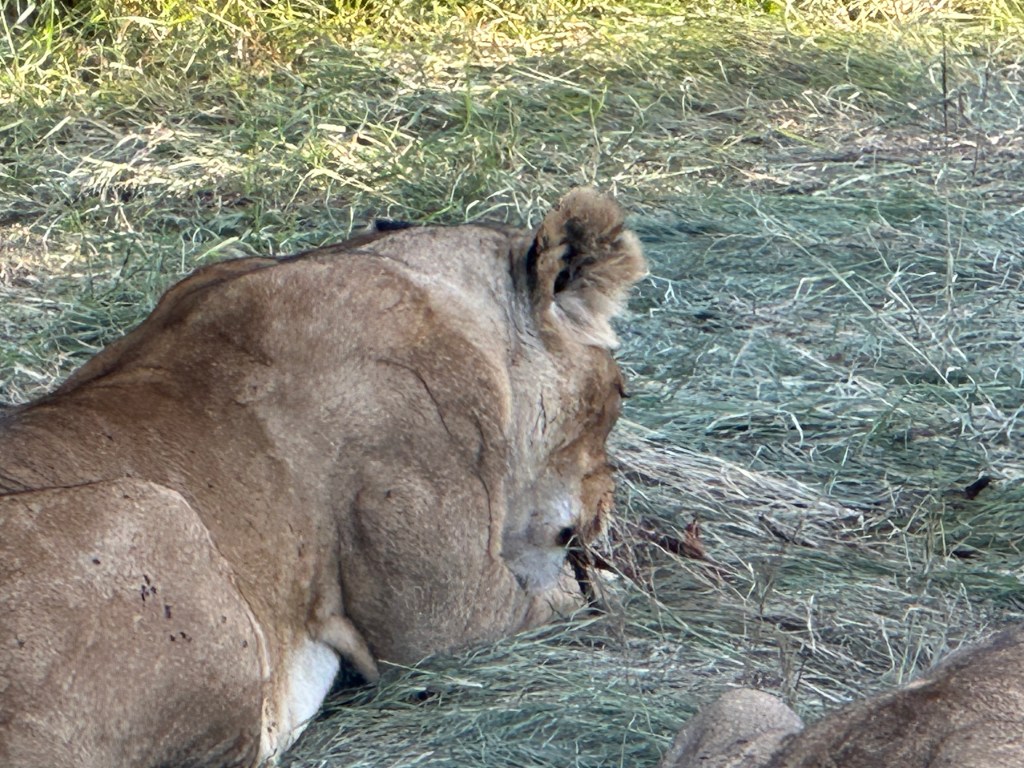
This is a pride of six. Two adult males, two females, and a juvenile male. Later, our other driver, Timothy, told me that there is a cub in this pride as well. I wish we could have seen it but it must have been hiding back in the taller grass. After the males had gorged themselves on the prime parts and fallen into a food coma, the two females, who did all the work, were “allowed” to eat some of the leftovers!
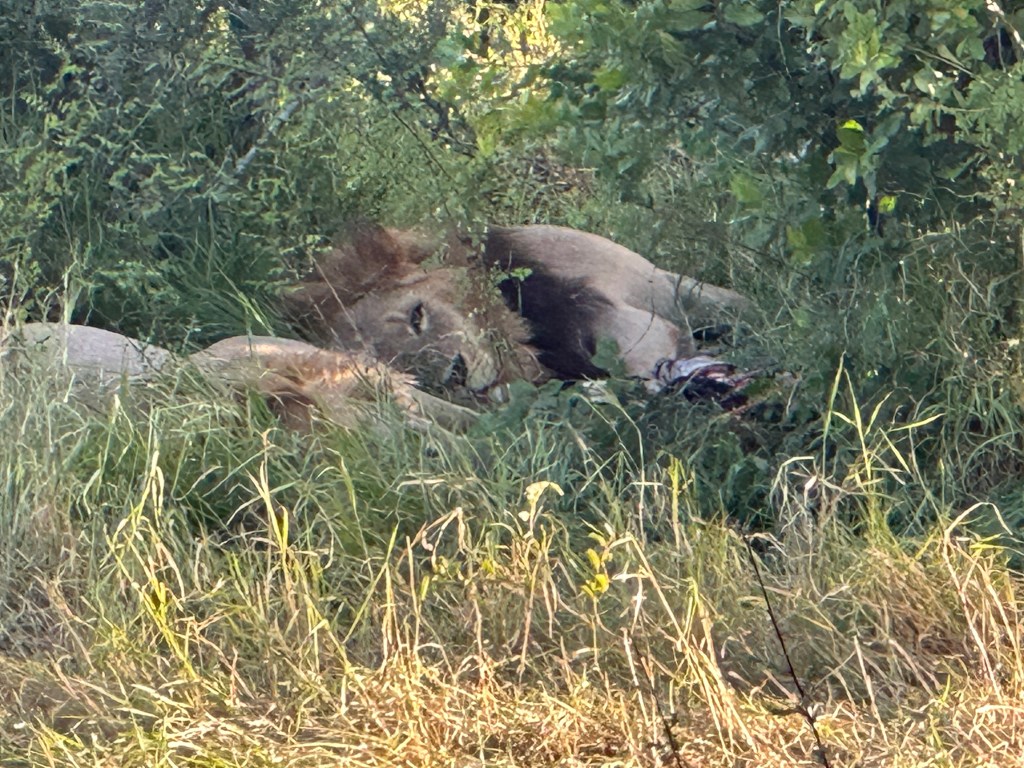
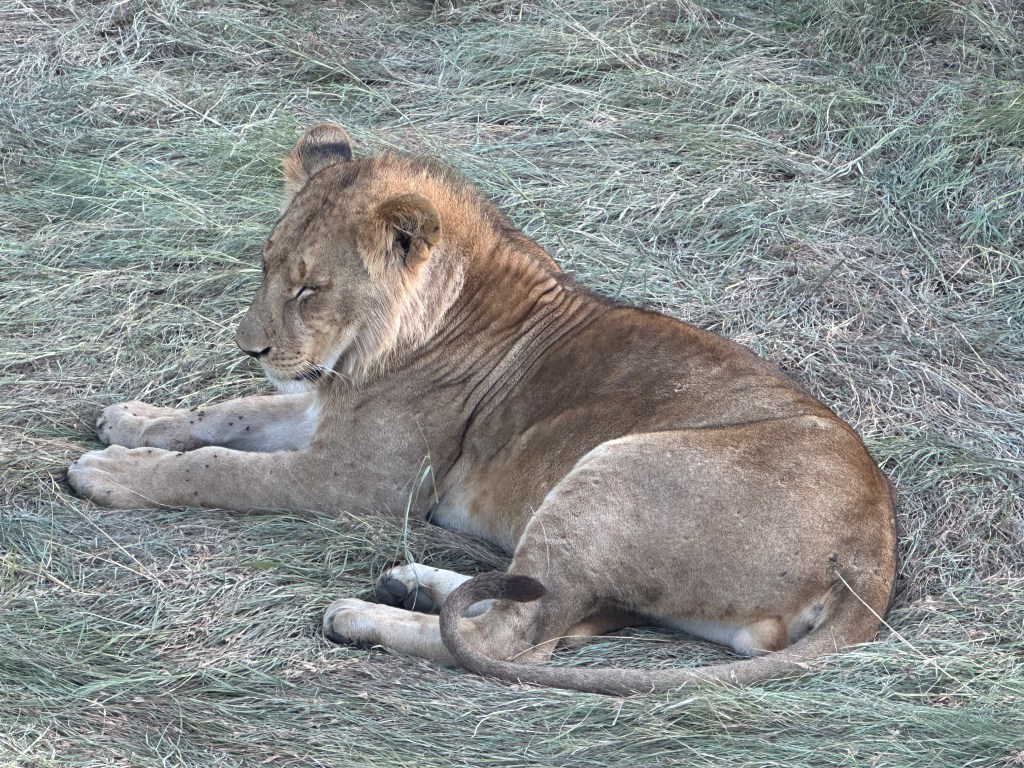
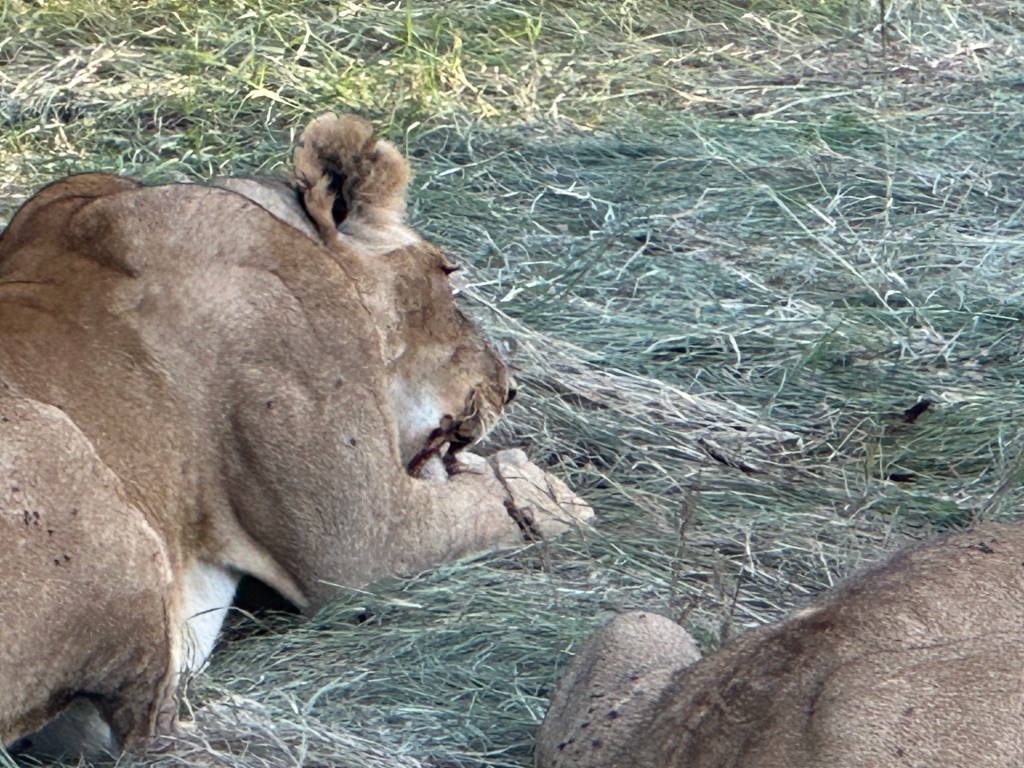
On the way back, we tried to contain the excitement, endured the dad jokes about having ribs for dinner, or what the herds of zebra who seemed much further away than before would be saying to each other, and also had a nice encounter with a pregnant elephant.
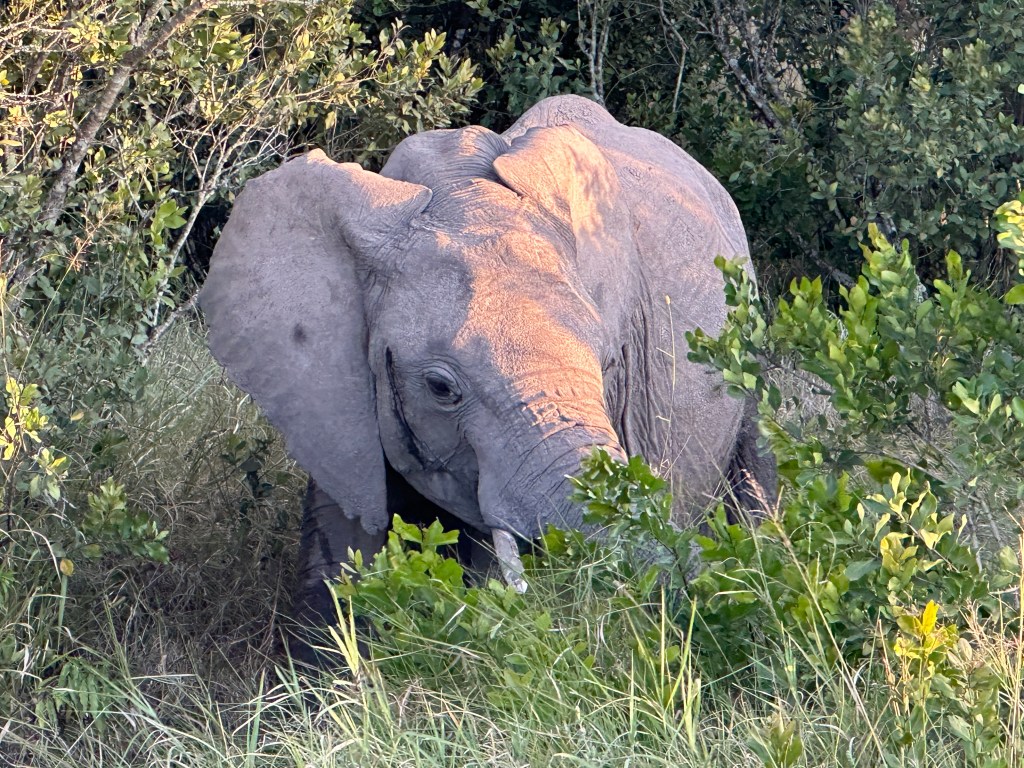
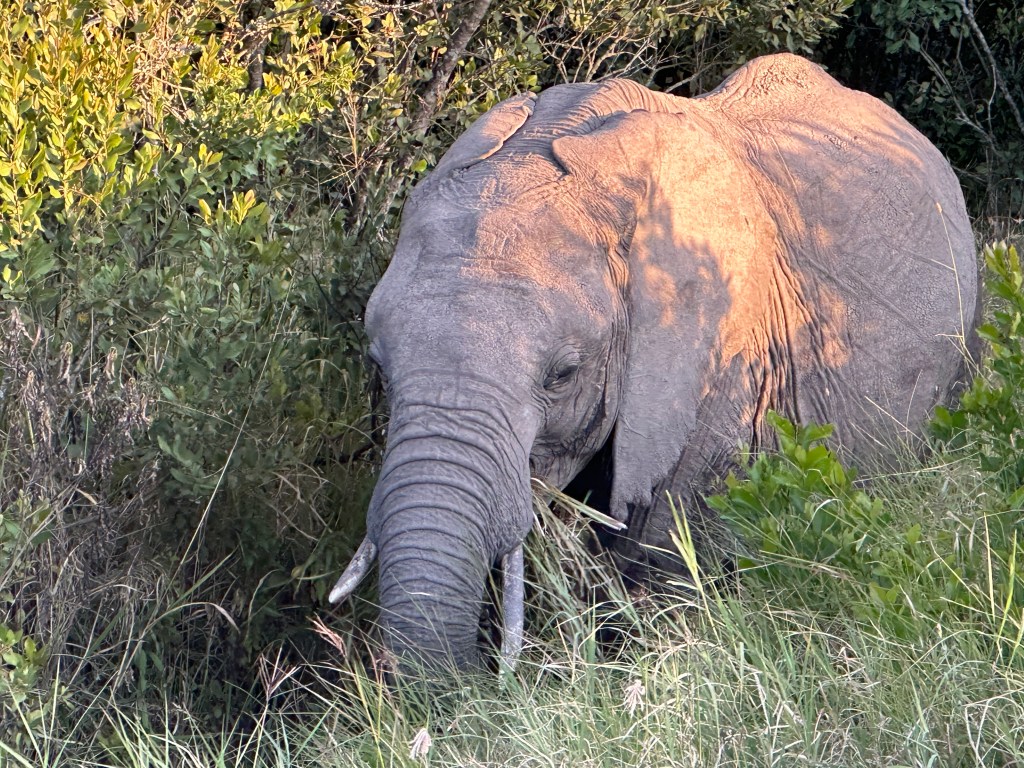
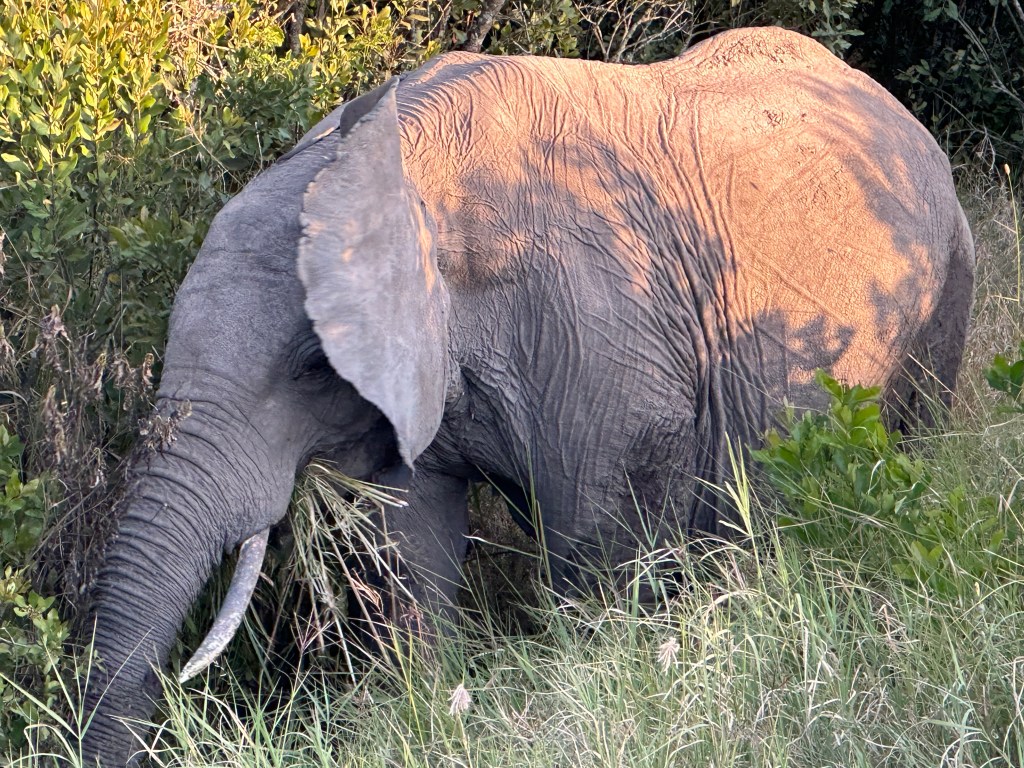
It was an early night back to the tent where I quickly settled in to my warm bed with two provided hot water bottles in the 50 degree equator weather being thankful for not being in the east coast heat wave and reflecting gratefully on another unbelievable day.


 Kenya 2024: Zekavat Summer Sabbatical
Leave a comment