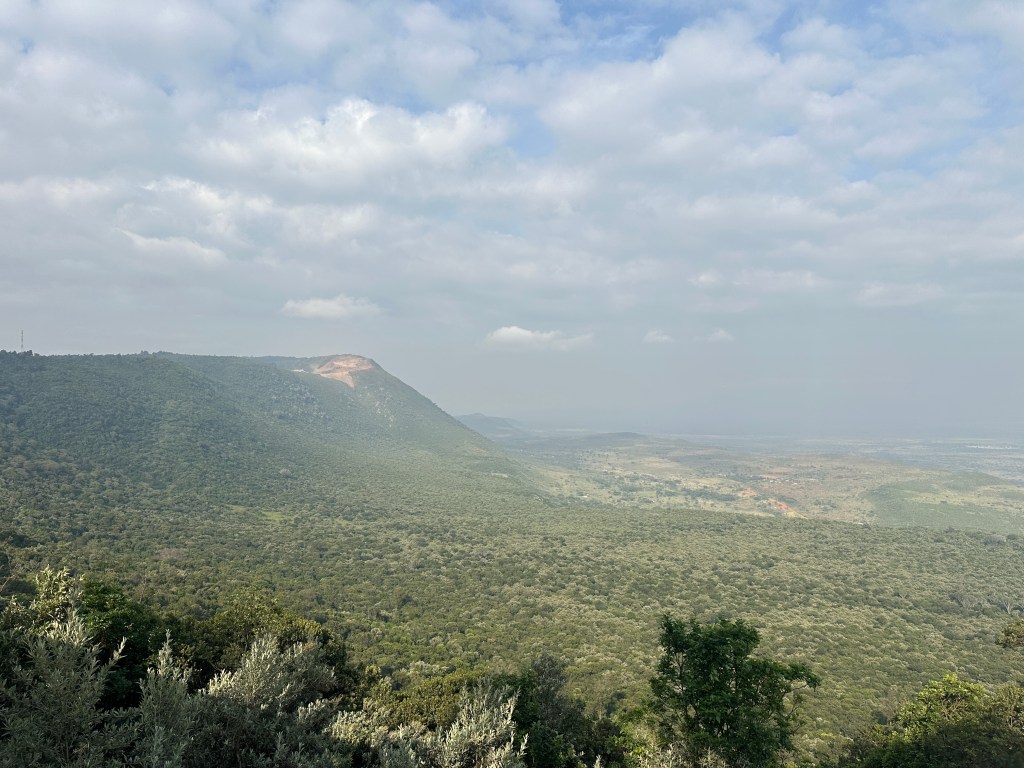
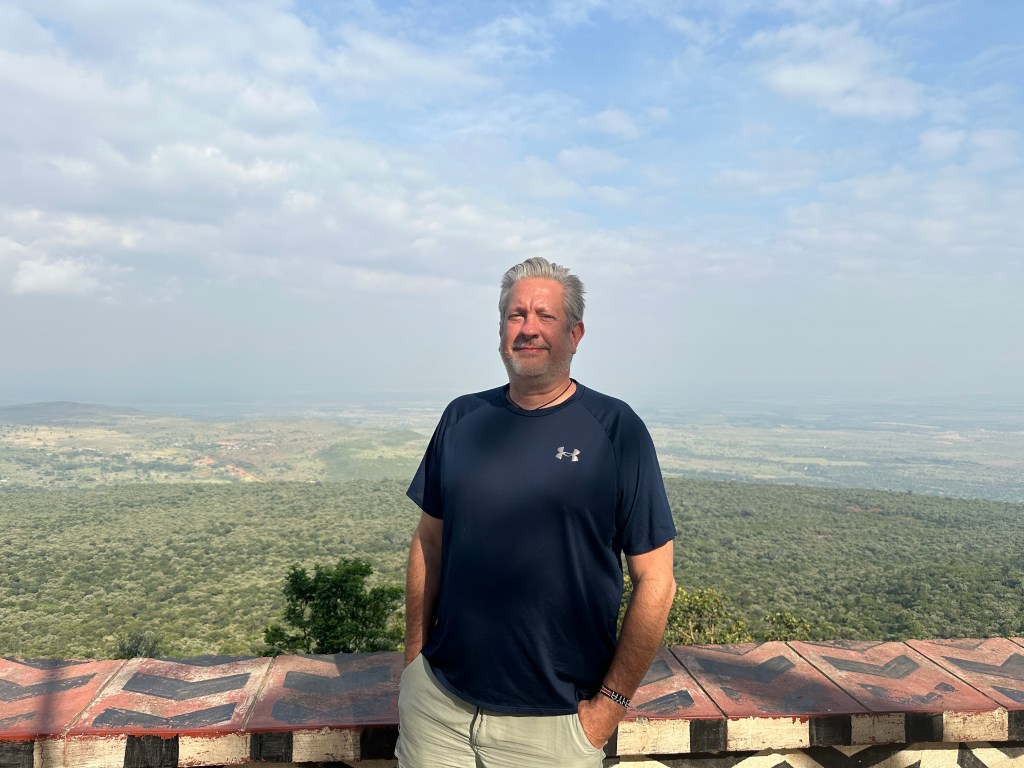
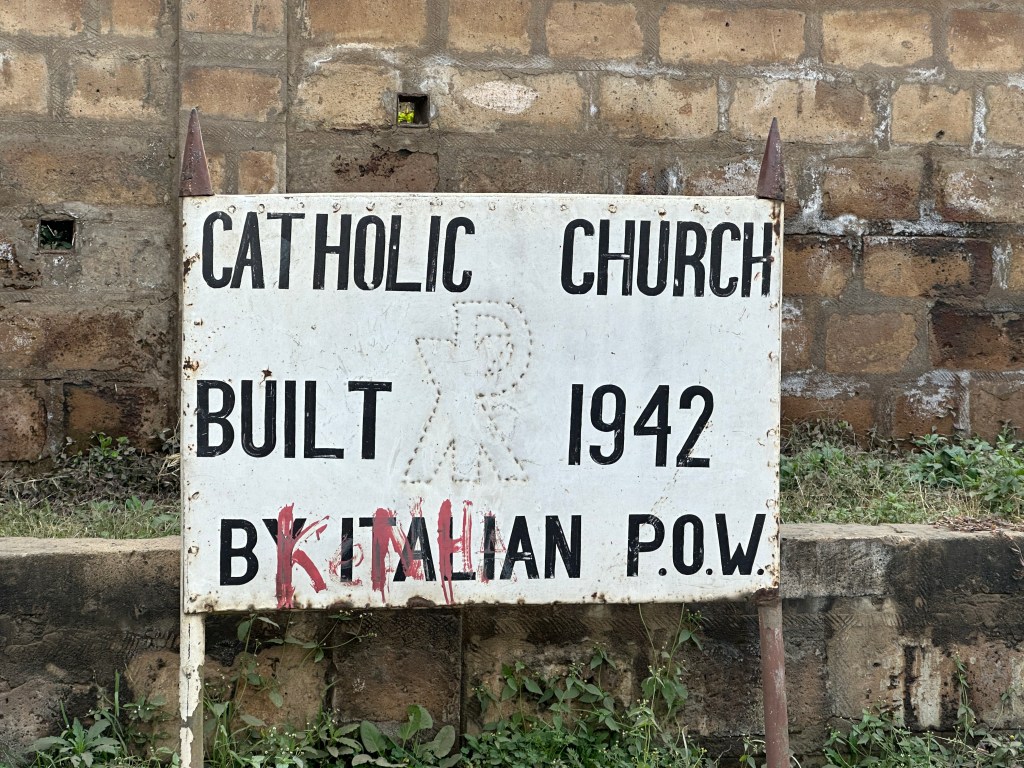
We headed out of Nairobi at a very reasonable 8 am. I get to travel this final leg with Paul’s third and eldest son, Ethan, who had just graduated from high school. We travelled west on the expressway and I watched the familiar scenes of the Matatus, the market where we shopped, and the neighborhood where my cooking guide lived. We are actually trying to arrange it so the kids can experience the cooking outing as well, I think they will really enjoy this and learn a lot from it. Apologies if I said this already, but I am starting to lose track of what I have and have not shared and I am too lazy to look back!! We climbed the escarpment on the outskirts of Nairobi and as we descended a narrow road along the edge of the hills that is a major trucking route to Uganda, we were treated to an amazing wide open view of the Nile River rift valley, which runs all the way from lake Victoria to the Mediterranean. Very near there, we stopped at a tiny Catholic Church that was built by Italian prisoners of war in World War II.


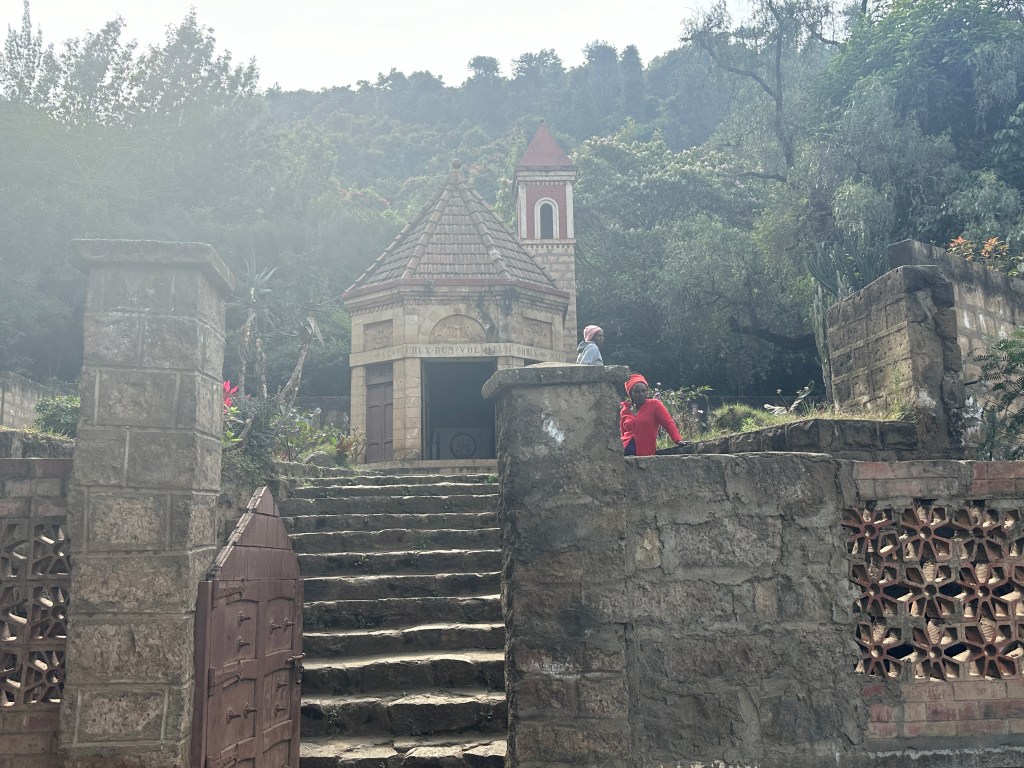

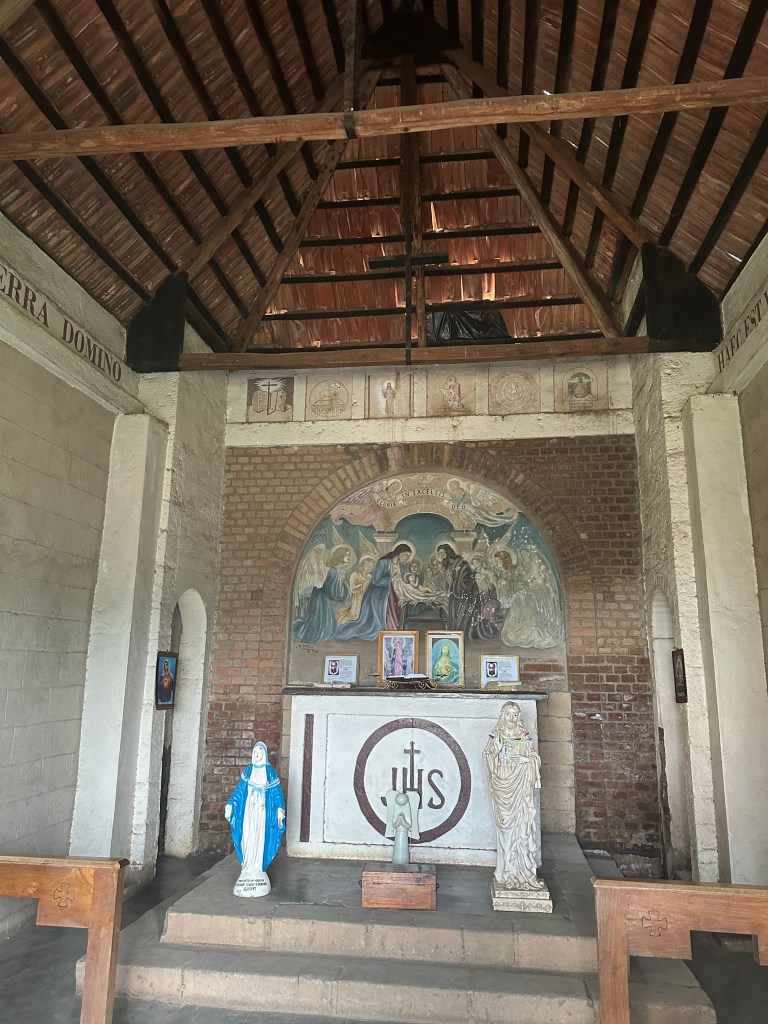
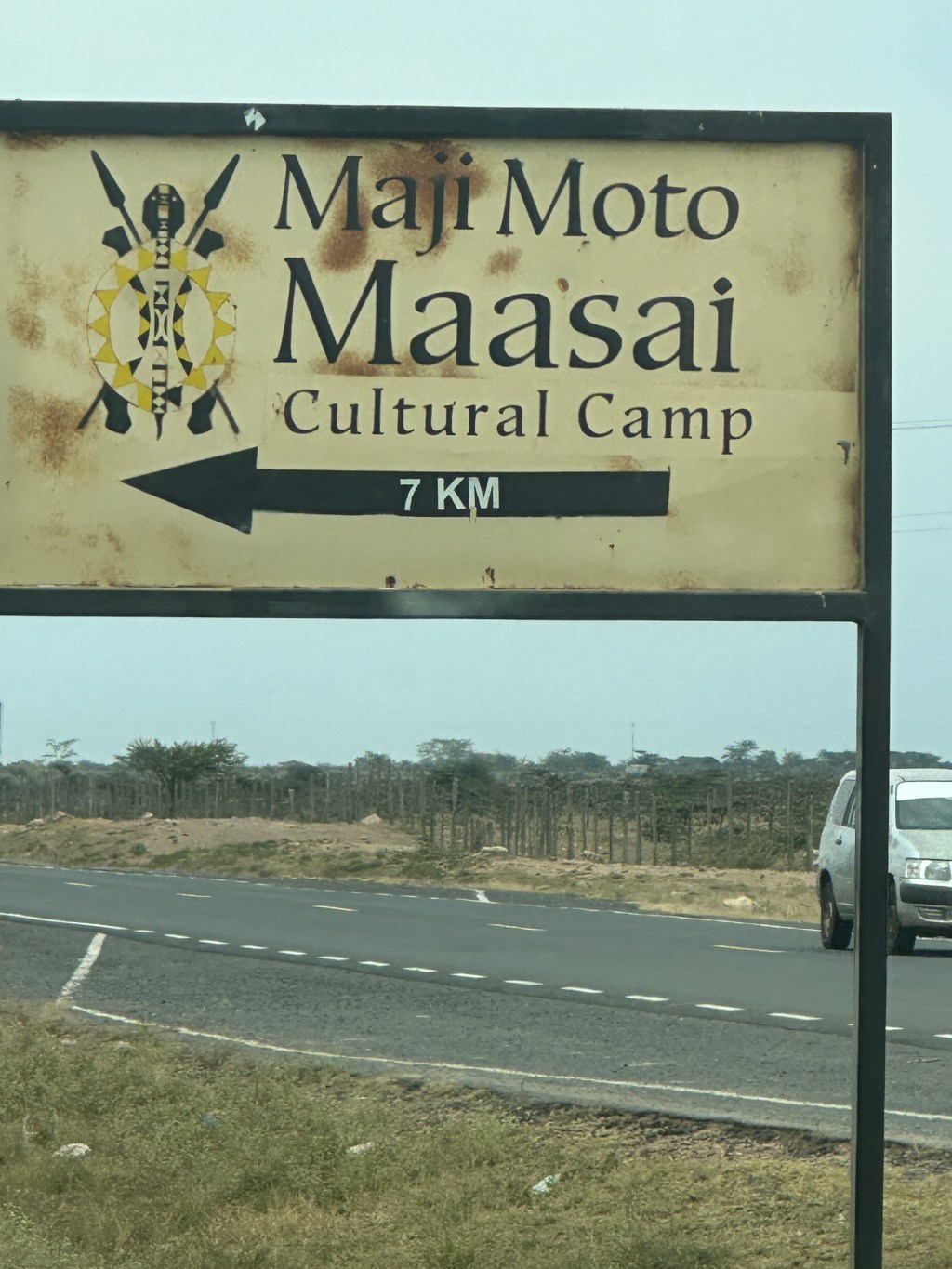
After descending into the valley, we crossed over from predominantly Kikuyu lands to the home of the Maasai toward our destination for the day that I hope and believe will be the focal point of the student trip, a stay in a village camp run by Maasai. The leader and owner of this camp, Salaton, was featured in The NY Times travel section for the unique cultural immersion experience he has created. On our way, I was welcomed into. A very Kenyan experience gathering for lunch in a small enclosed gazebo with Paul and his son, our guide Jackson, and one of Paul’s Maasai business partners (Milton) and his son. It was delicious and a nice break before heading further into the bush.
We arrived at our destination around 1 pm and greeted the warriors and staff with a more western handshake and traditional greeting “Shuba” After giving us each a Shuka (the colorful plaid cloth the Maasai men wear), they sang and performed their iconic and impressive jumping. We were encouraged to join in and fortunately no video survives of me doing so!
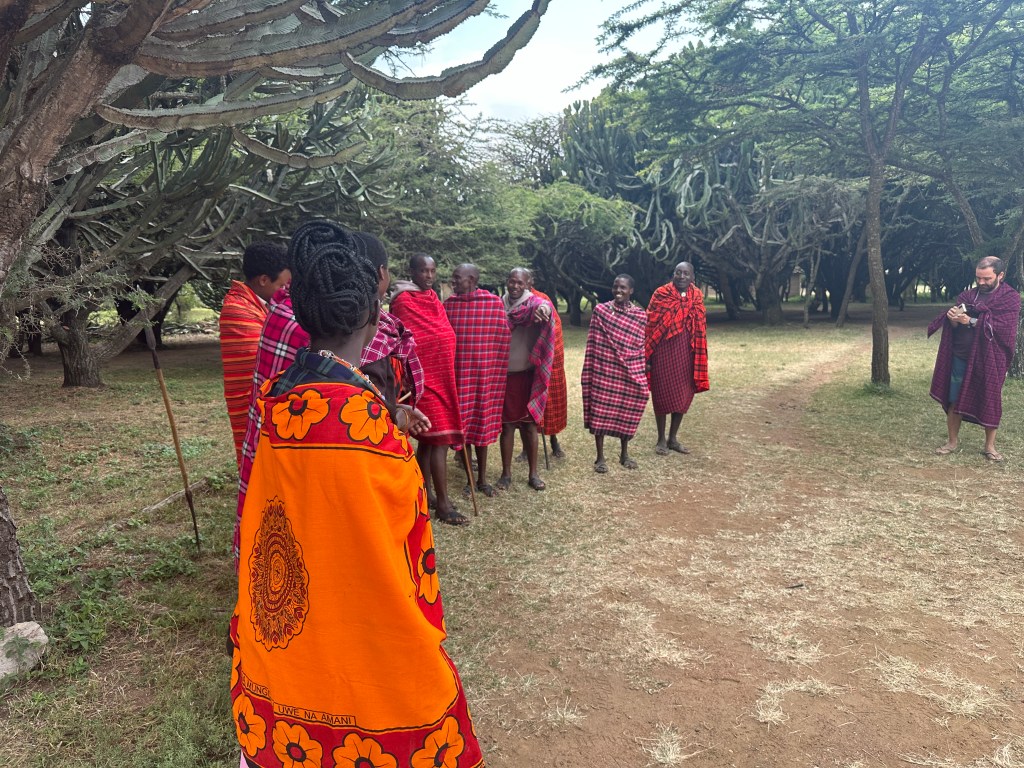
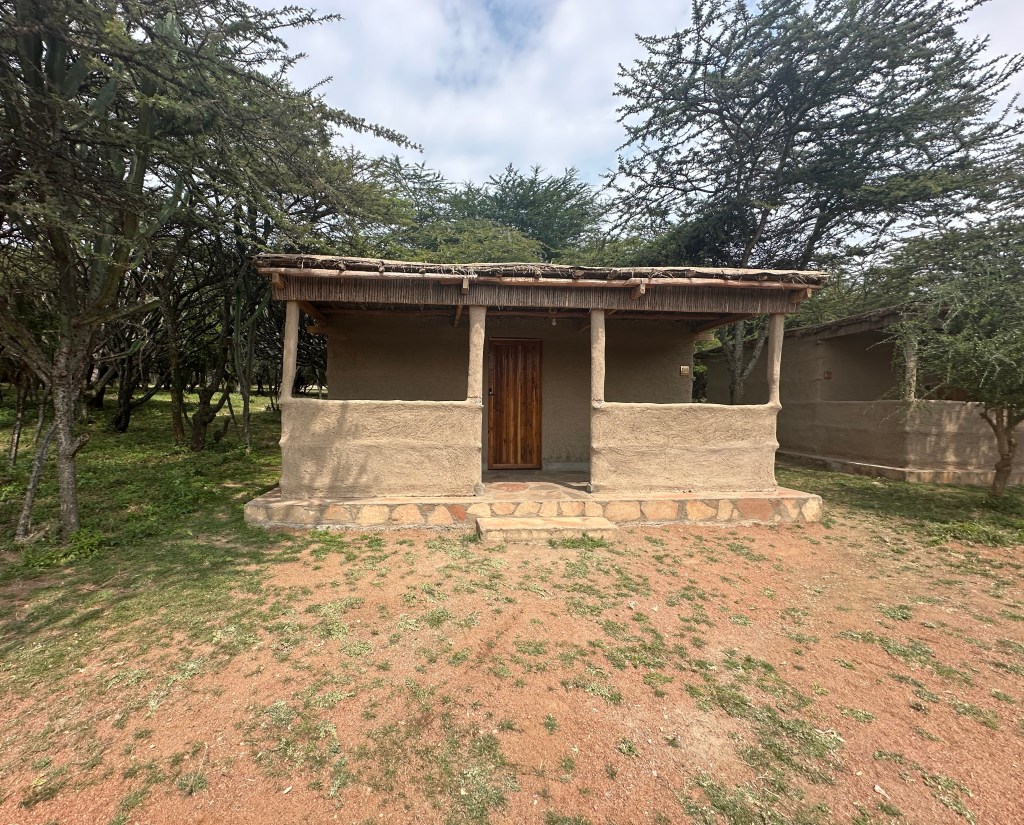
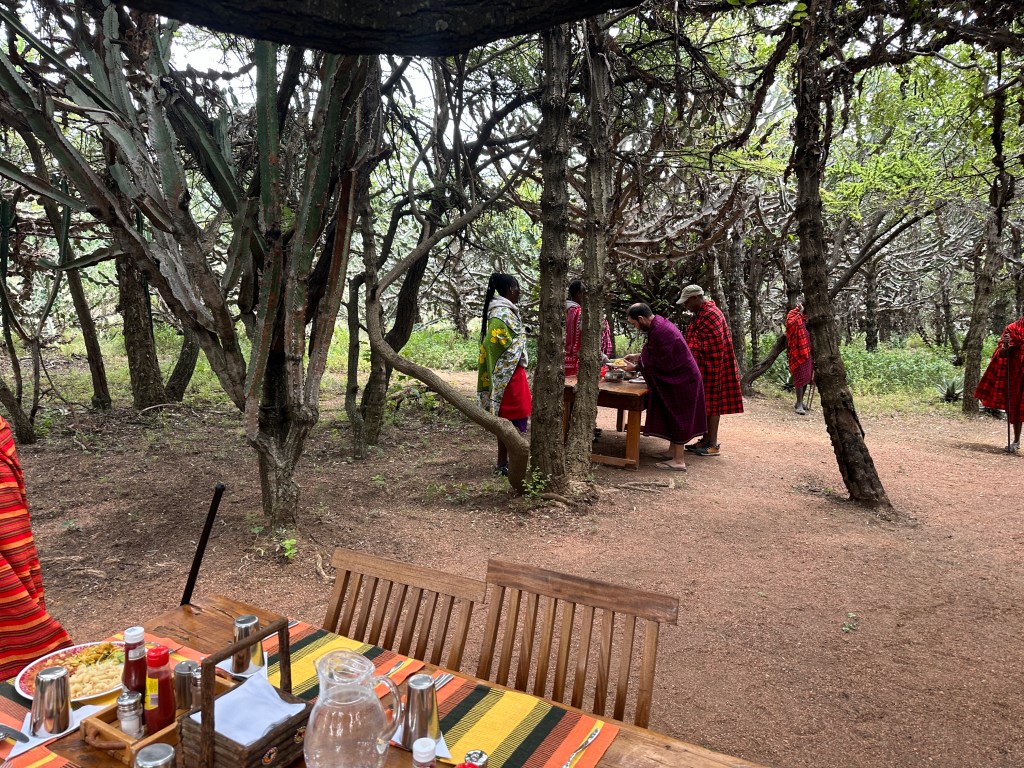
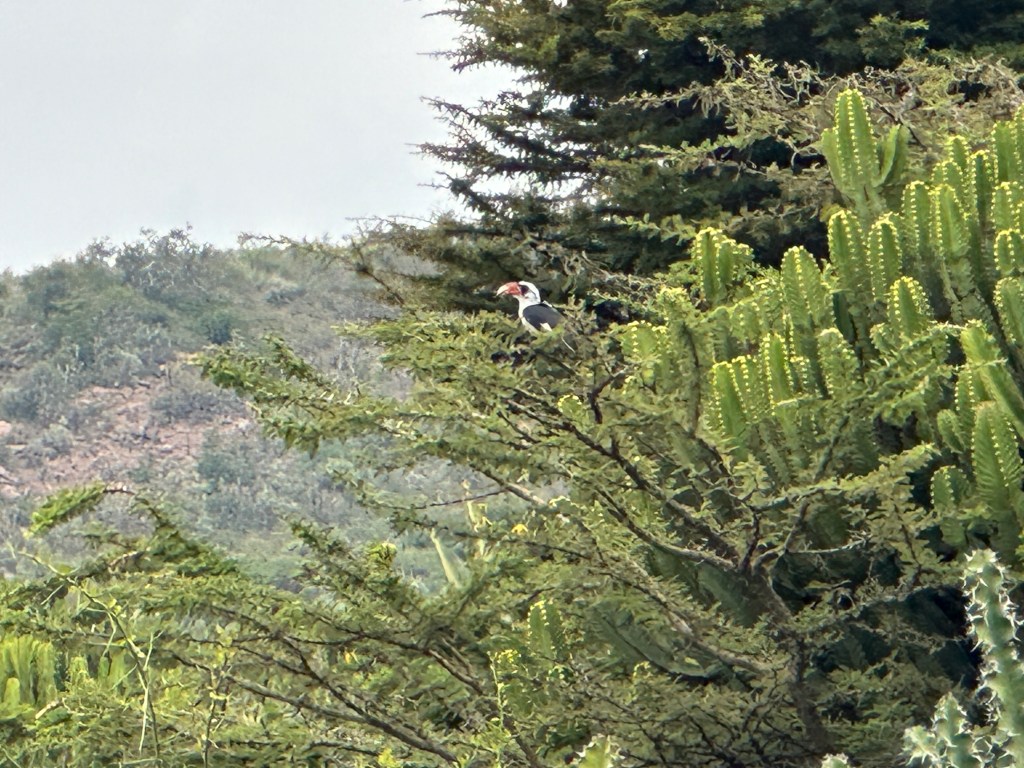
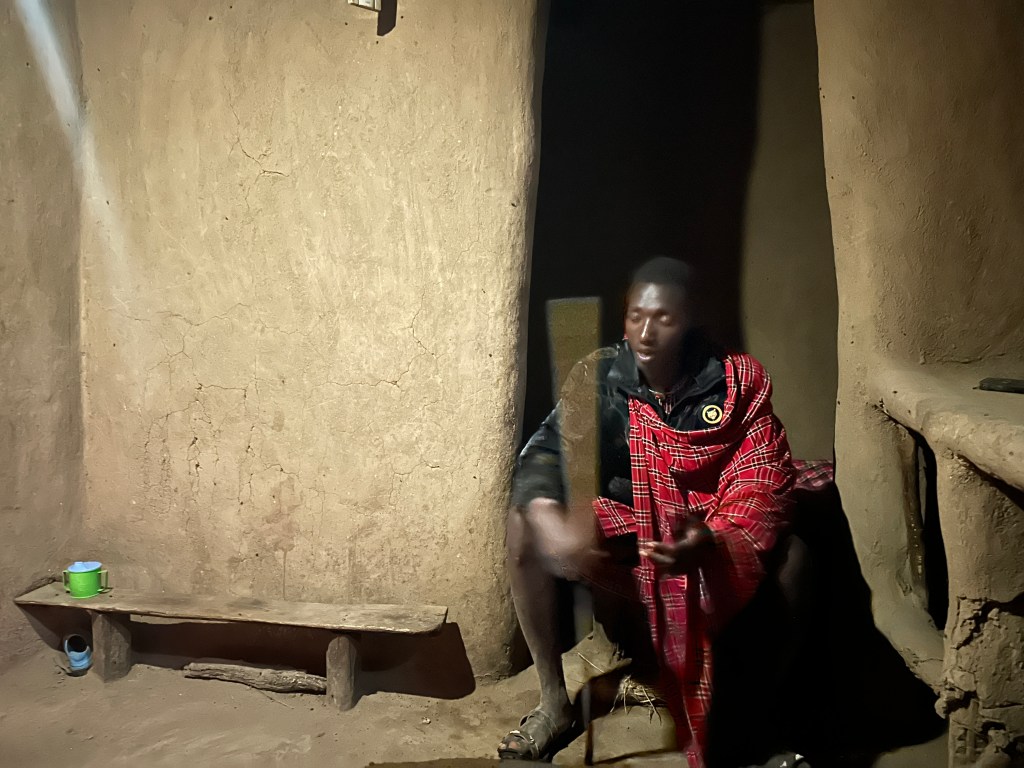
The Maasai like to say that they do not accept visitors, only family and friends, so they welcomed us as friends and showed us to our westernized version of the traditional Maasai hut build of mud, cow dung, and ashes: a manyatta. It was very comfortable with screened windows, electricity, energy efficient LED bulbs and a very comfortable firm bed. We had lunch with Salaton in a beautiful grove near the main lodge. I was pleased that lunch was vegetarian and they had vegetarian options for all meals. The Maasai are traditionally NOT farmers and have only started growing crops recently to supplement their income. They substisted for centuries on meat, blood, and milk, so I was grateful they adapted for tourism so this experience could be accessible to more of our students. We also dined with a Brazilian who spoke very little English and no Swahili, so I was very impressed with his willingness to travel alone under difficult circumstances and did my best to use my rudimentary Spanish (my Portuguese is even worse) to get to know him and help him feel more a part of our small group. I saw my first Hornbill in a tree near where we ate.
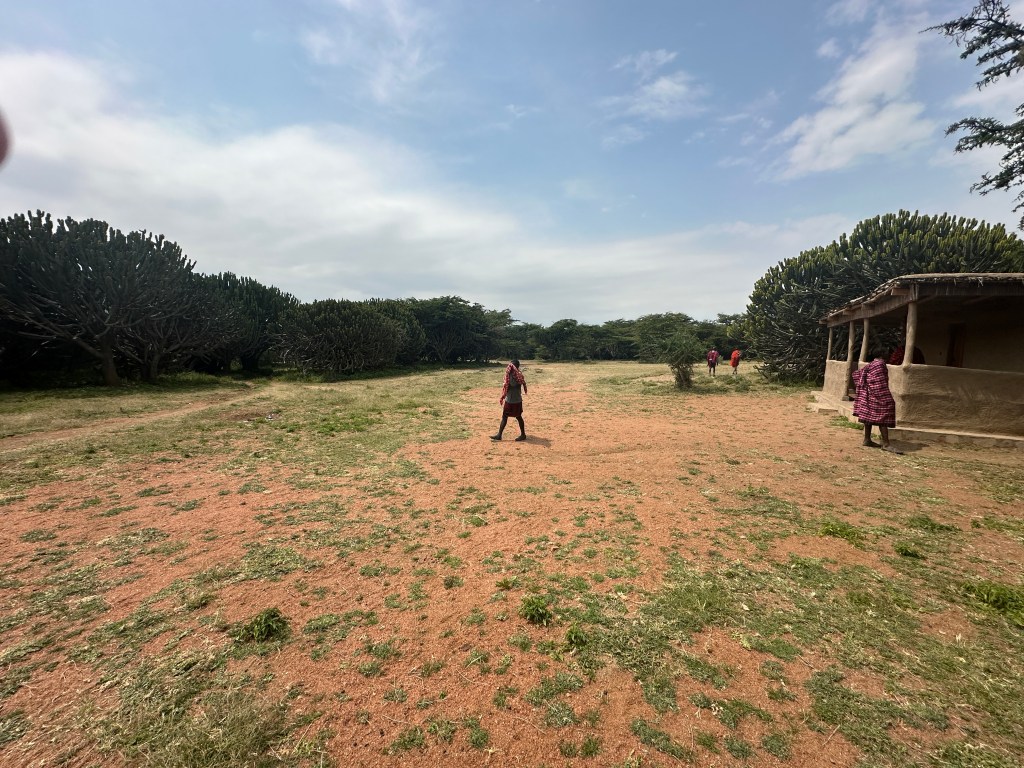
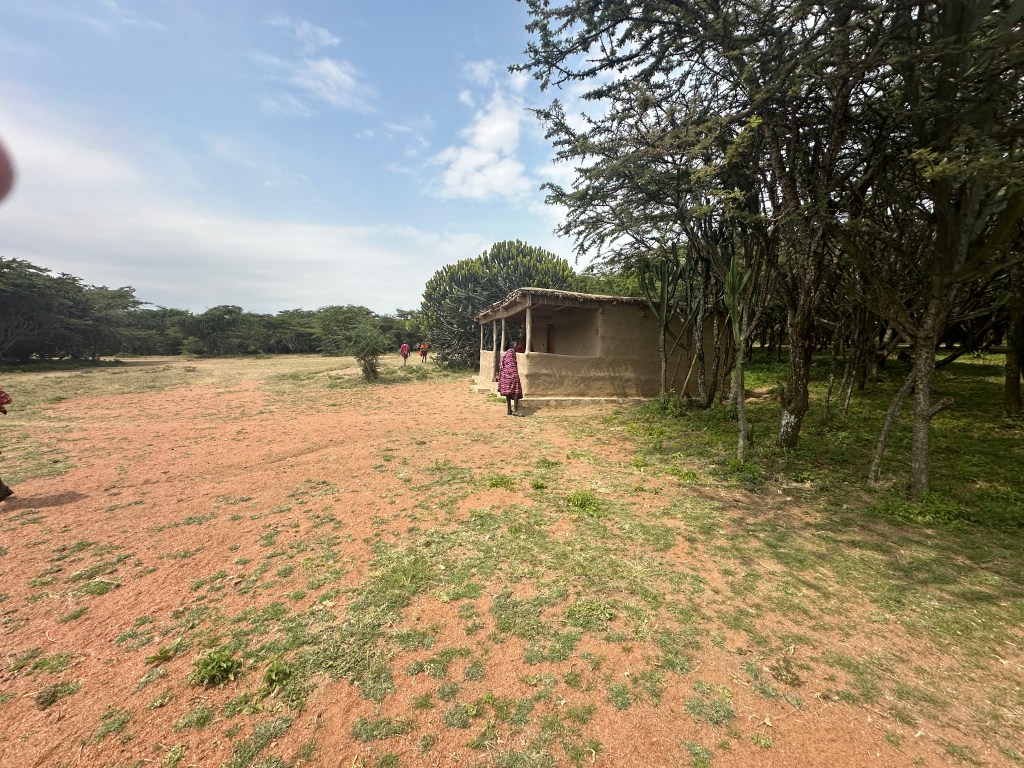
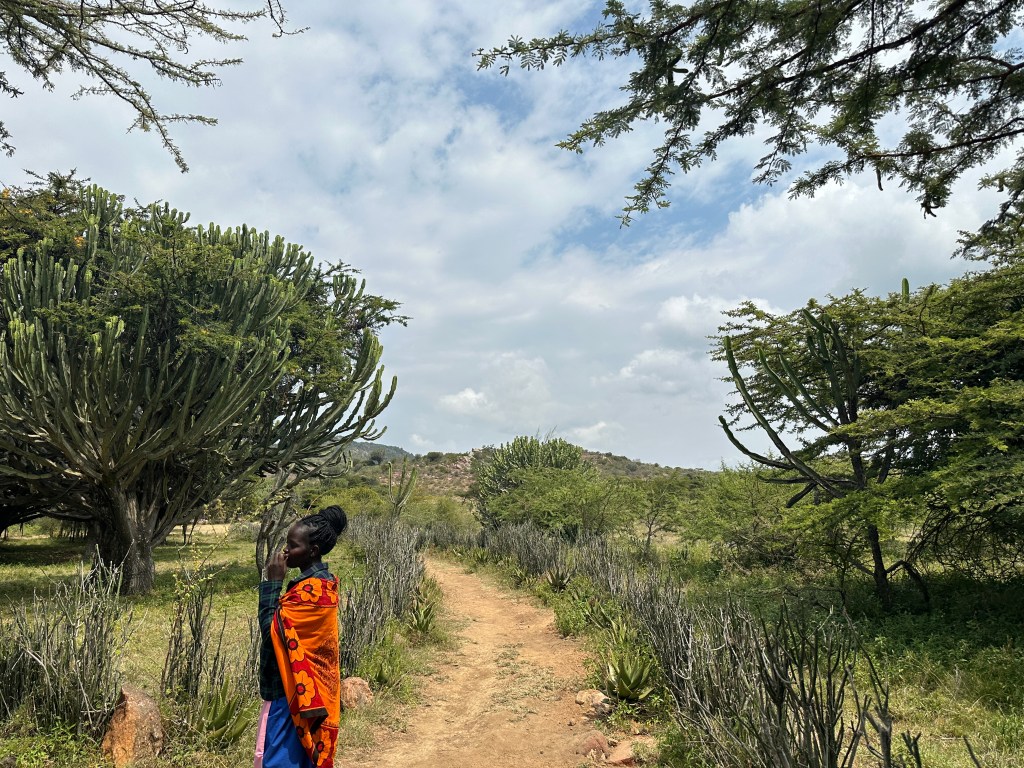
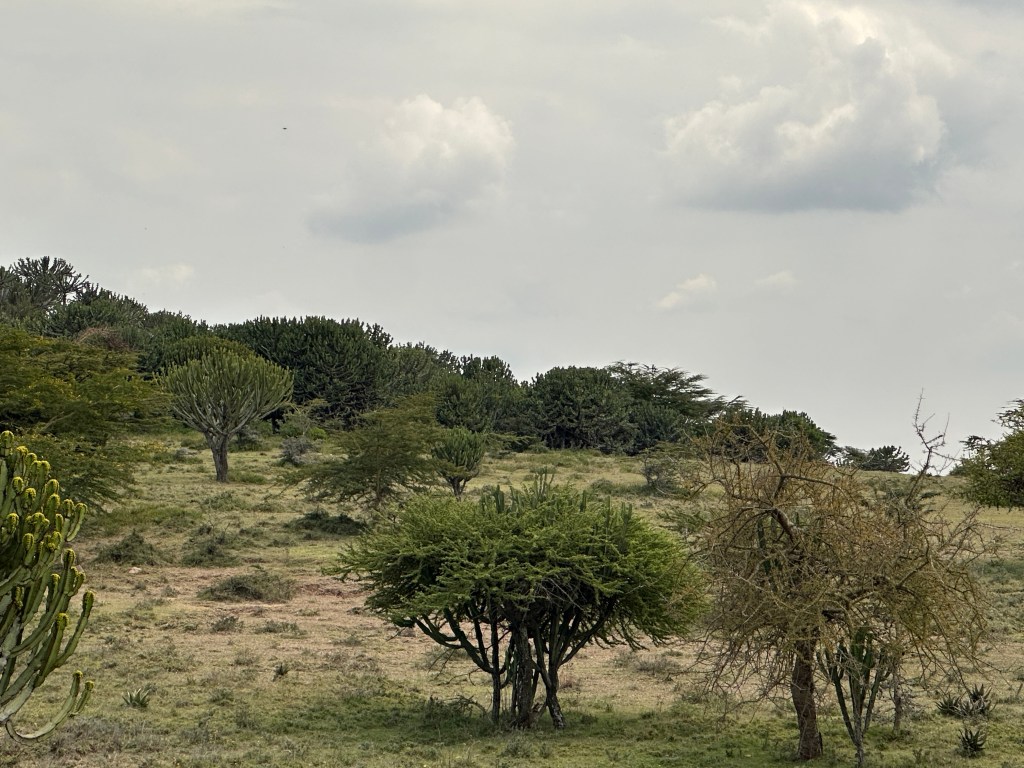
We had a very busy afternoon of activities, so we started with a walk over to the local school that was established by Polish nationals. On the way we stopped at the hot spring that provides the village with water and is also pumped up to our camp to have an amazing semi-outdoor naturally hot shower that felt spectacular later that evening. We walked past grazing herds of goats, saw women gathering water at the spring in large jugs that was then carried back to their village by donkeys, and many were out doing the weekend laundry. I peppered our guide, Doringue, with questions along the way. Amazingly enough, he is in university studying to be a math and physics teacher!
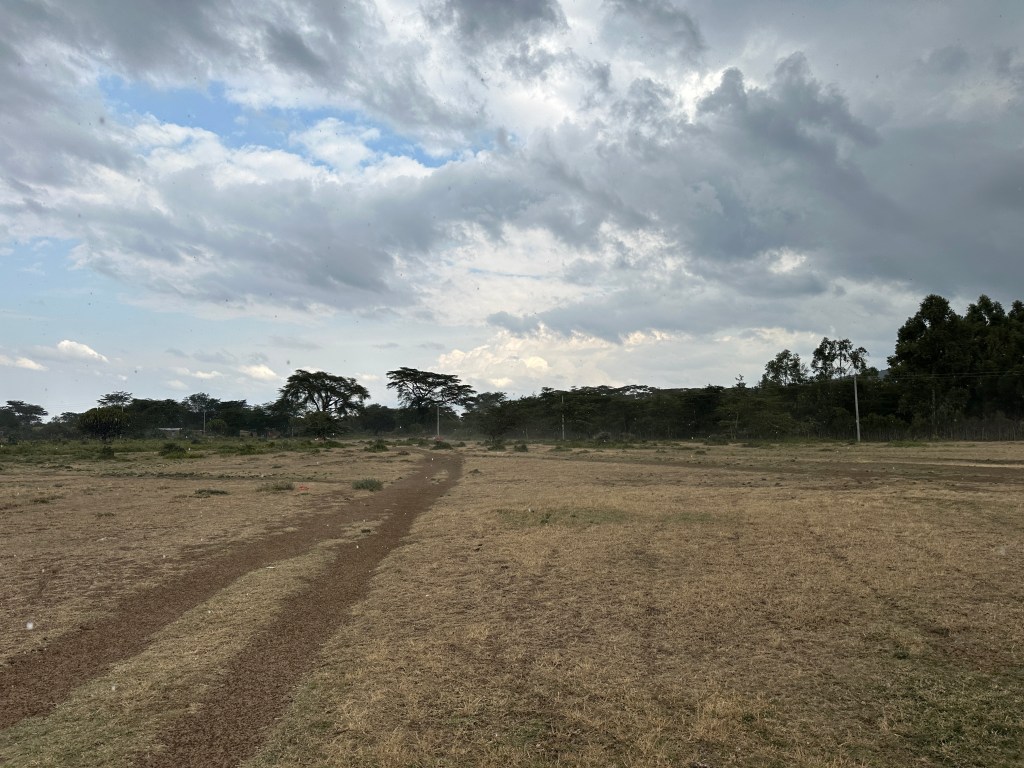
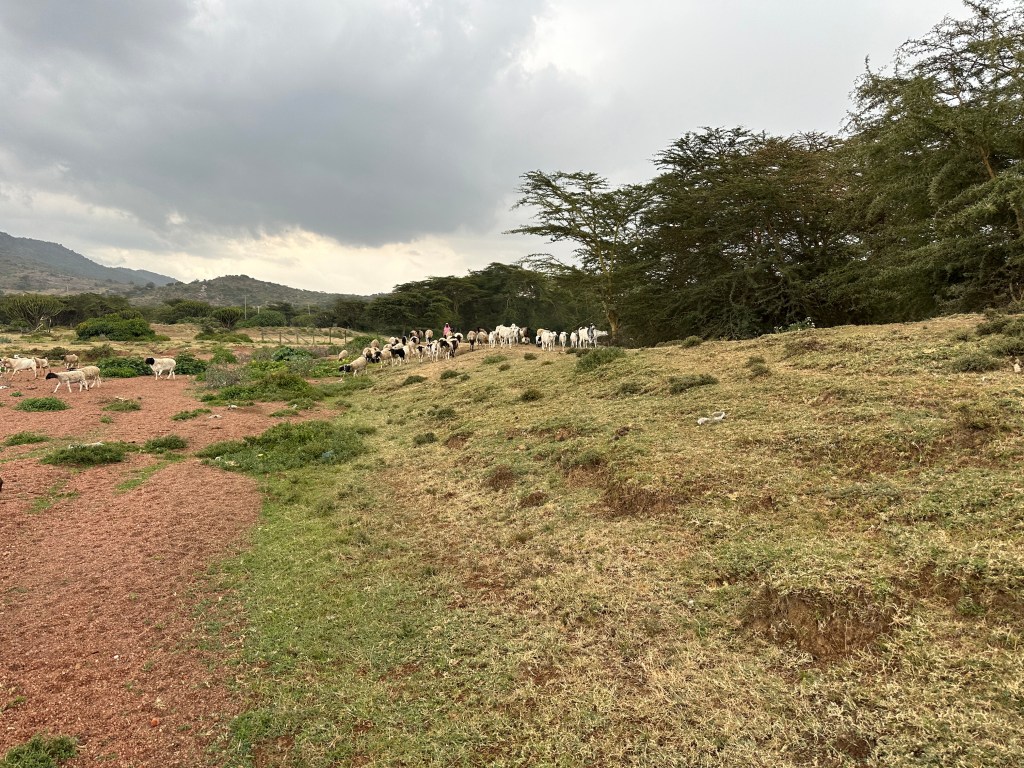


We visited the very humble school that had a wonderful start as a way to help raise up girls and give them an education. All schools in Kenya have a motto and a mission statement displayed prominently on the front of the school, which I really appreciated. Theirs was “Don’t exchange girls for cows, give them education”. Since founding the school, they also have taken in boys who are disadvantaged or orphaned as boarding students. We were asked to sign a guestbook at each school we visited. On the way back to camp, we passed a goat herd heading home for the day. Not long after, the skies that had been threatening since the morning finally opened up and it rained pretty heavily. The Shuka that had been making me very sweaty, now came in handy. You could hear the sound of the rain coming across the plains first, and then the smell was really awesome. Slightly embarrassingly, one of the men ran out to bring us umbrellas. I felt better when they brought enough for everyone and we all used them on the walk back. I had all I could do to resist the temptation to break into that familiar Toto song!


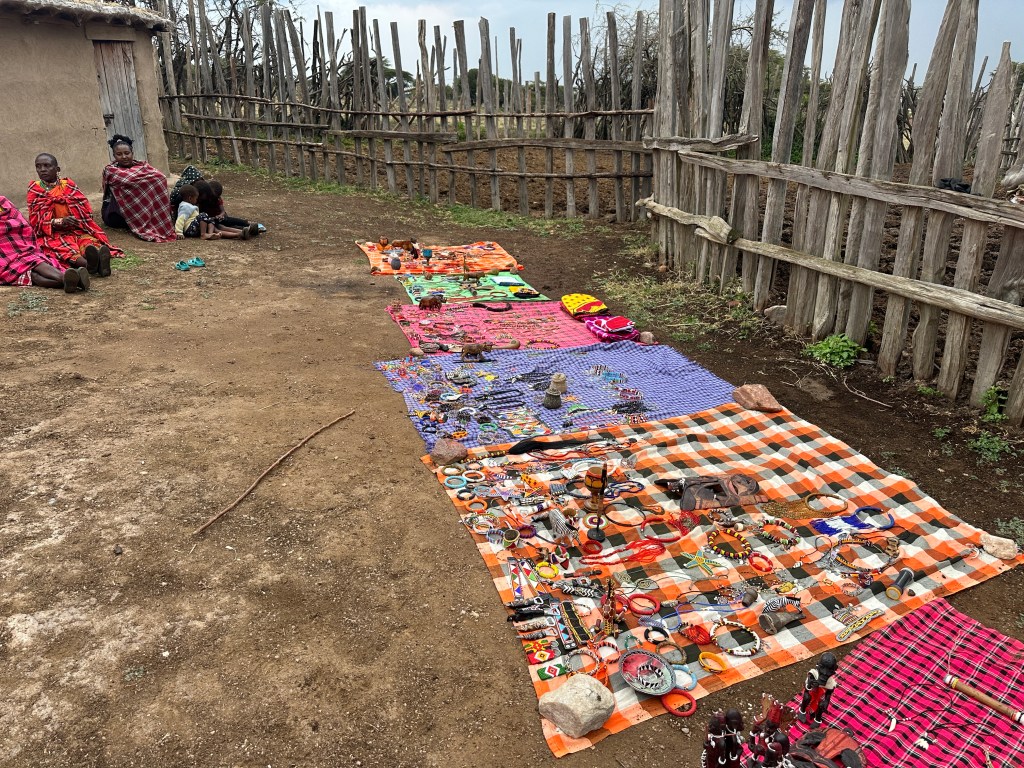
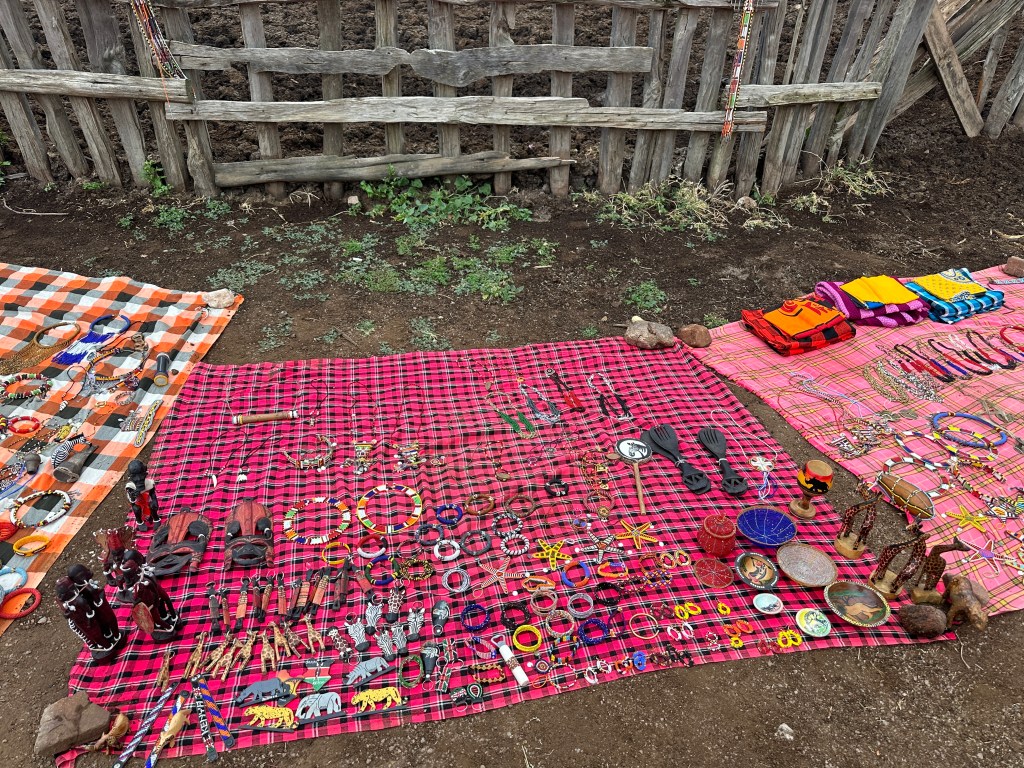
Next we took a walk up to the women’s village. In many Maasai villages, women who are widowed face a bleak life of poverty, especially if they have children. Our host, Salaton, created a small traditional village where they can live with their children. They create beadwork and other crafts that are then sold to the guests staying at the camp. Since they don’t have a bank, they invest their money in cows, goats, and chickens and are able to live more comfortably and peacefully. They greeted us with a welcome song, we were shown what a real manyatta looks like, and then bought some of their items. Given my severe distaste for the bargaining process, my host, Paul, got them to give me “local prices” so I could pay what I knew was a fair price for them and a bargain for me compared to the more touristy gift shops. I would much rather my money stayed in this village, so other than a shirt that I needed from a packing mishap, these were the only souvenirs I bought on the trip.
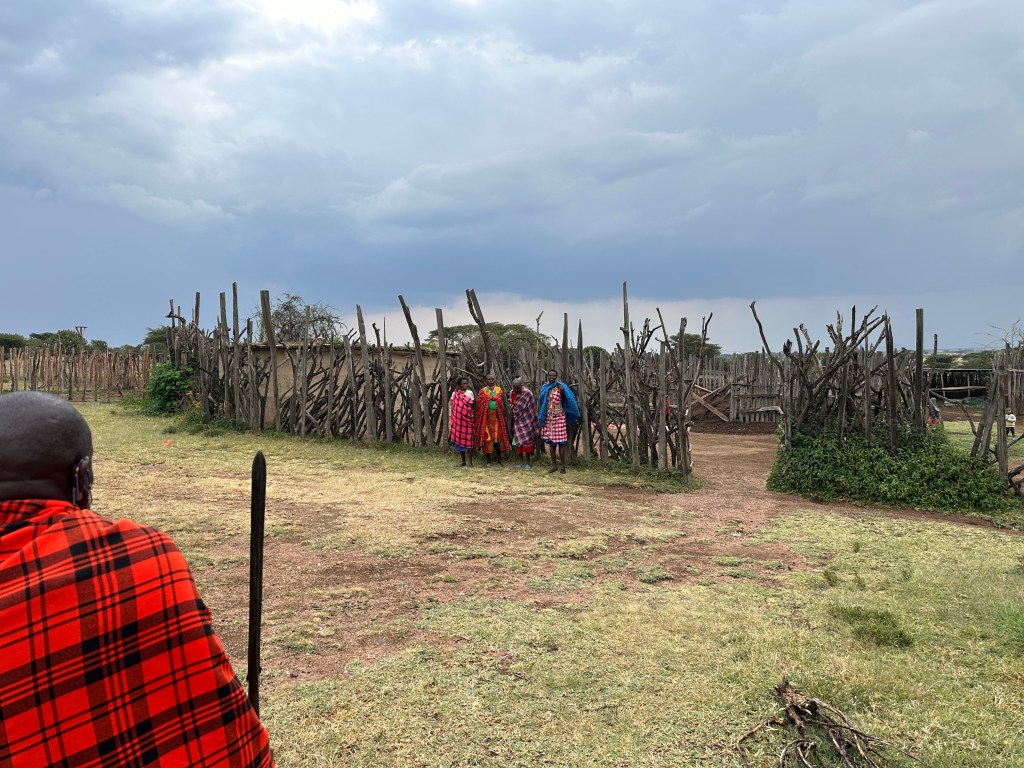


No one else seemed to be as impressed as I was, but the goat herd returned on their own while we were there and I got a big kick out of the baby goats who stayed home calling to the adults and the array of different goat noises expressed at the homecoming. The entire goat population seemed very pleased to see each other.
I’m also noticing I have this bad habit of letting my finger stray over the camera on my phone. My students would call this dad photo skills. Sorry!
The next item on the busy agenda was “Warrior training”. Think Maasai dodgeball. They split into teams and get shields and pick this fibrous plant that they then spin around and fling at each other. It would hurt a bit if it hits you without injuring any one. A few of them need MLB tryouts because they were flinging these things with serious velocity! After a while, everyone started calling “peace” and greeting each other with a touch on the shoulder and then they got together for a quick song and dance. Throughout this and all the other things they did with us there was a lot of laughter from them. It is obvious that they genuinely enjoy each other and are eager to share their traditions with others. They genuinely enjoy themselves and don’t view it as a job or a performance. Like all Maasai traditions, it also serves a practical purpose. They explained the activity that we just did was practice for hurling the wooden clubs they carry for hunting, or in earlier times, battle.
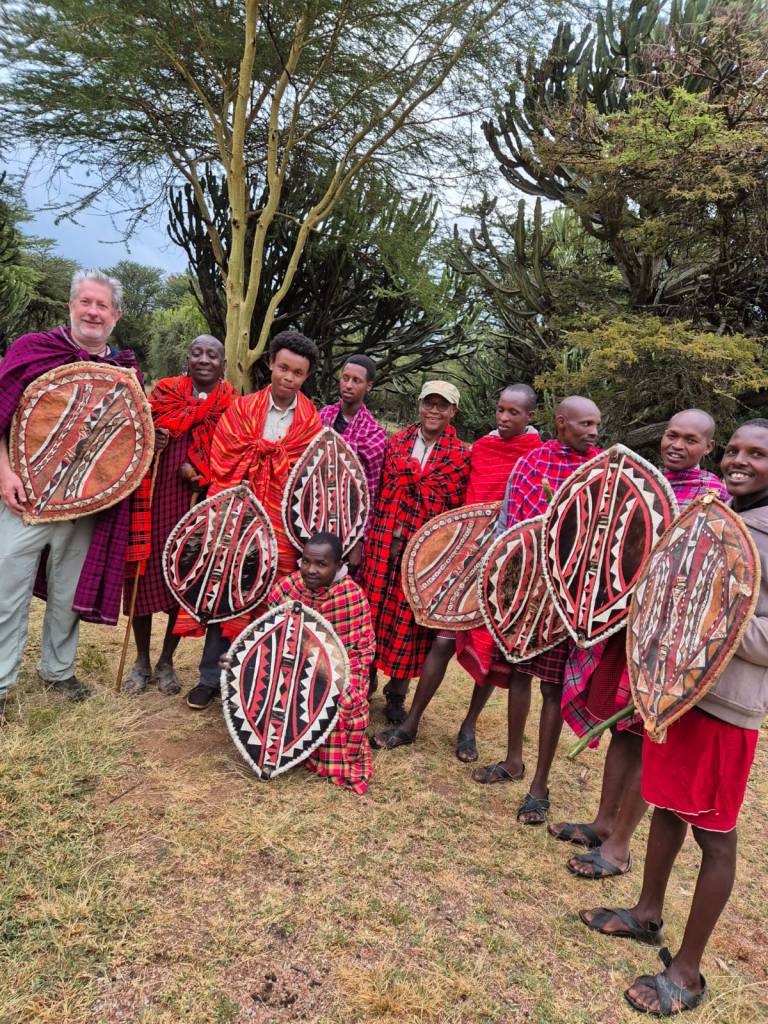
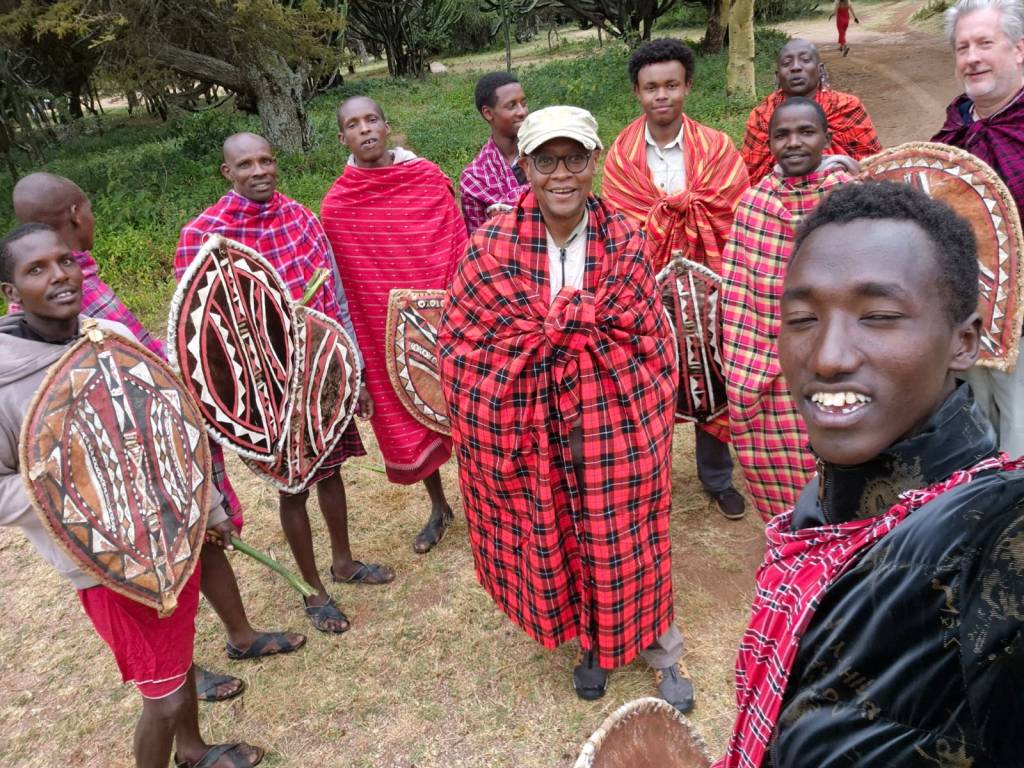
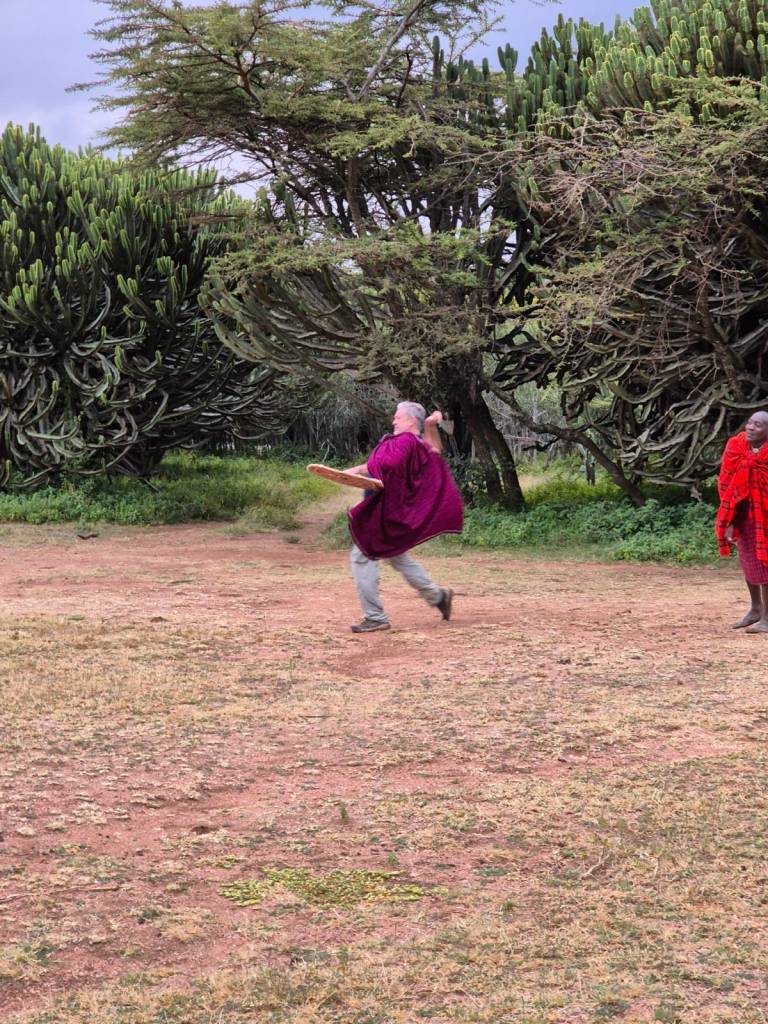
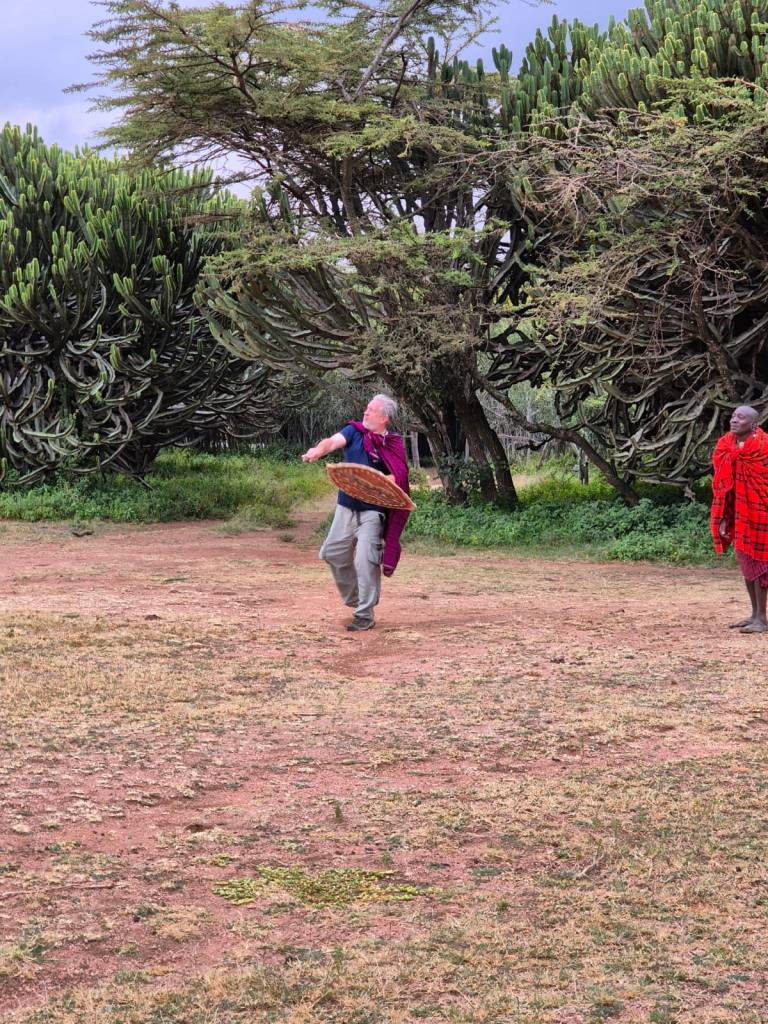
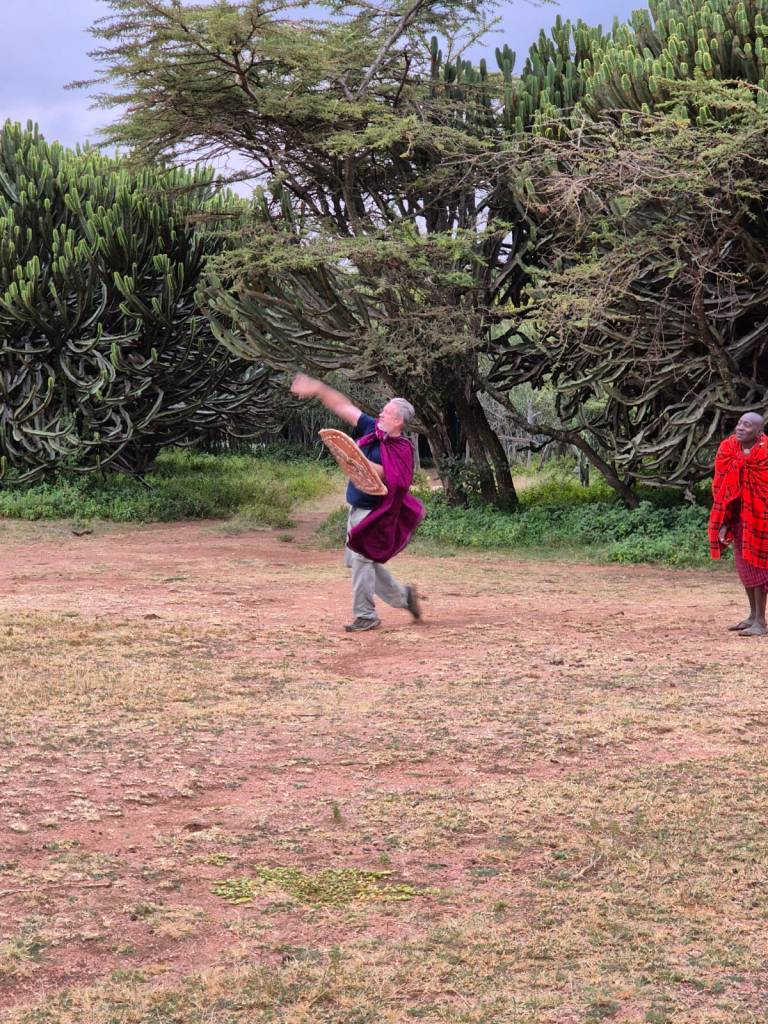
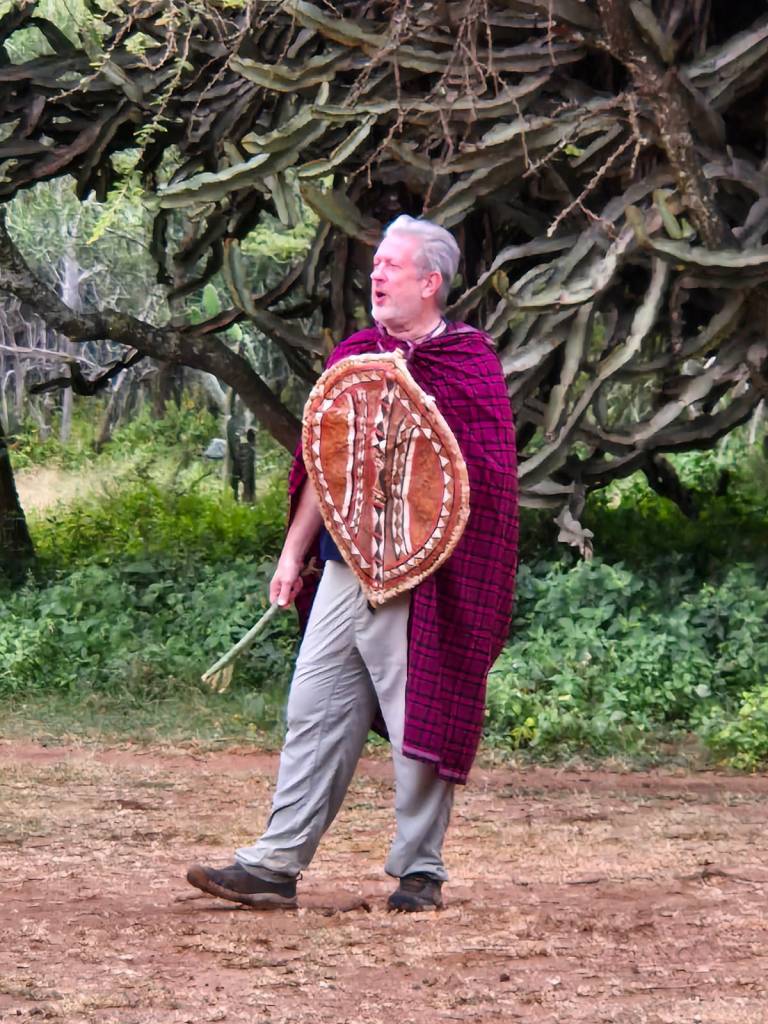
Unfortunately, there is some video evidence of this activity, so I will put it here against my better judgment.
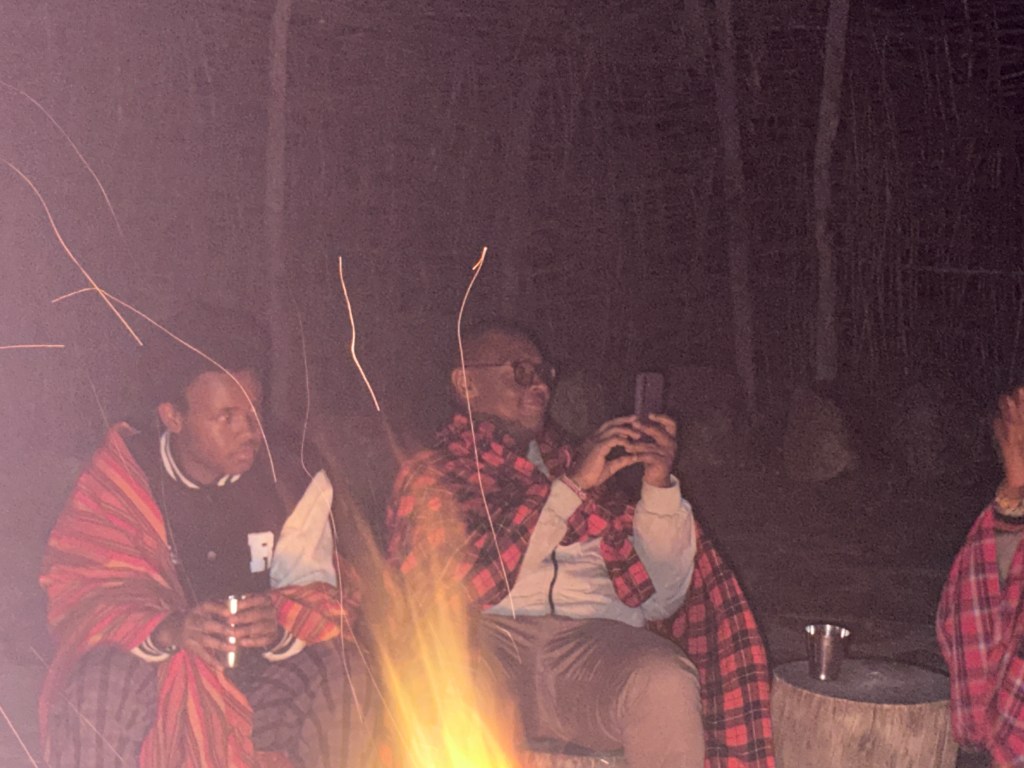
It was now getting late, so one of the men went down to the hot springs to turn on the pump. We were told in about 20 minutes, the water would be ready. I’m not much of a camper or a rustic shower facility guy, but this was a spectacular shower! The water felt amazing. By now it was dark. I should say that someone went with us wherever we go with a spear, a sword and a club and someone also stayed outside the cabins all night. There are no fences on the property to keep out wildlife. They haven’t had any problems but they did have an occasional elephant wander near the camp. We went up to join the campfire for some singing before dinner, had a lovely dinner, followed by more songs, some words of wisdom from Salaton, and a short ritual blessing from the land. I was both aching from sitting on tree rounds for a couple of hours and exhausted from a full day, so I was pleased when things seem to naturally break up and we retired to our manyattas for what proved to be a good night’s sleep. An amazing day and what I believe will be a really authentic, one of a kind, and meaningful experience for my students.


 Kenya 2024: Zekavat Summer Sabbatical
Leave a comment